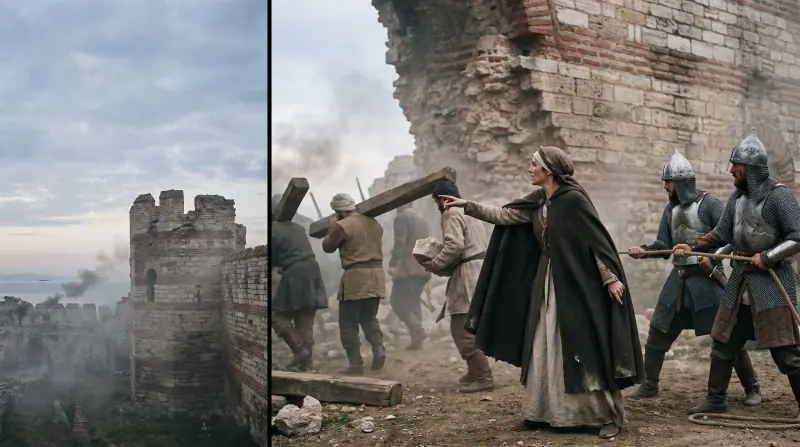
Roman history.
One turning point at a time.
Explore the battles, political crises and disasters that shaped the Roman world. Every guide explains the setting, people, sequence and consequences, with a timeline, answers to common questions and links to the evidence.
Read in historical order, or begin with the event that brought you here. Dates before the common era use BC; later dates use AD. A guide can stand on its own even when its subject forms part of another playable documentary.
Rome and Carthage
Follow the changing balance between two Mediterranean powers: Rome’s catastrophic defeat at Cannae, Hannibal’s defeat at Zama, and the destruction of Carthage in a separate war more than half a century later. These events distinguish winning a battle, imposing a settlement and destroying a rival city.
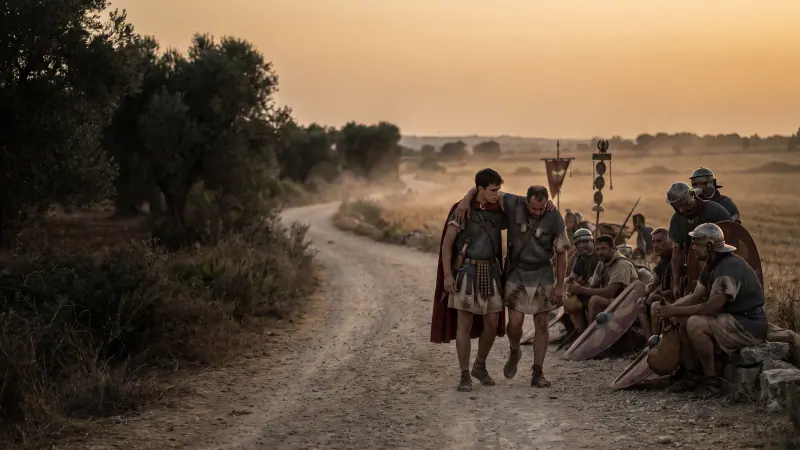
The Battle of Cannae: how Hannibal surrounded a Roman army
How Hannibal surrounded Rome’s army at Cannae in 216 BC: commanders, battle sequence, casualties, and why Rome survived the Second Punic War.
Explore the history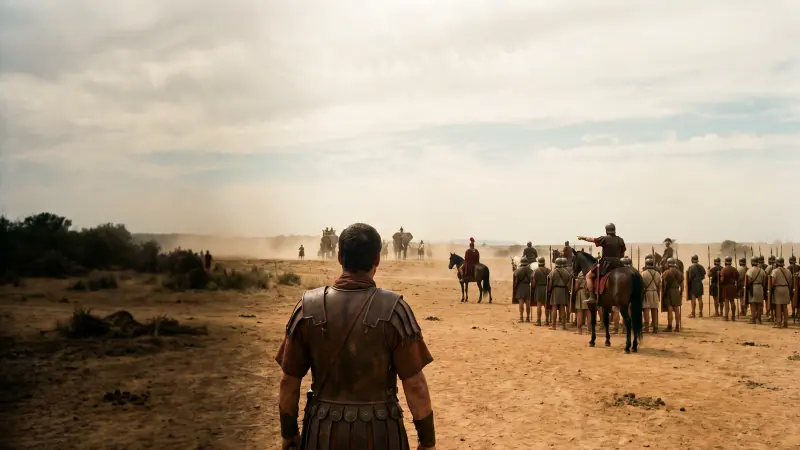
The Battle of Zama: why Hannibal lost to Scipio
The Battle of Zama explained: Scipio, Hannibal, Masinissa, elephant tactics, the infantry battle, and the peace that ended the Second Punic War.
Explore the history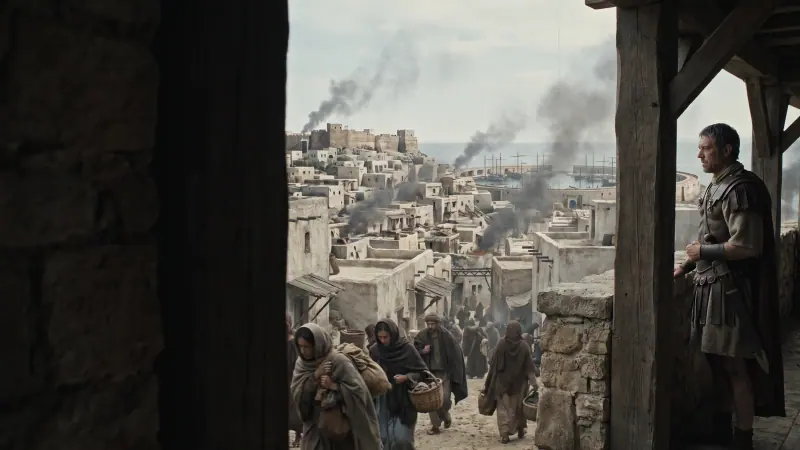
The fall of Carthage: the siege and destruction of 146 BC
Why Rome destroyed Carthage in 146 BC: the causes of the Third Punic War, Scipio’s siege, the final assault, civilian fate, and the salt myth.
Explore the historyThe Republic under pressure
Conspiracy, conquest and civil war repeatedly tested the Republic’s institutions. Follow Caesar from the Gallic siege lines through his confrontation with Pompey and the war in Egypt to dictatorship and assassination. Cleopatra’s struggle for power also belongs to the history of Ptolemaic Egypt, beyond its part in Roman politics.
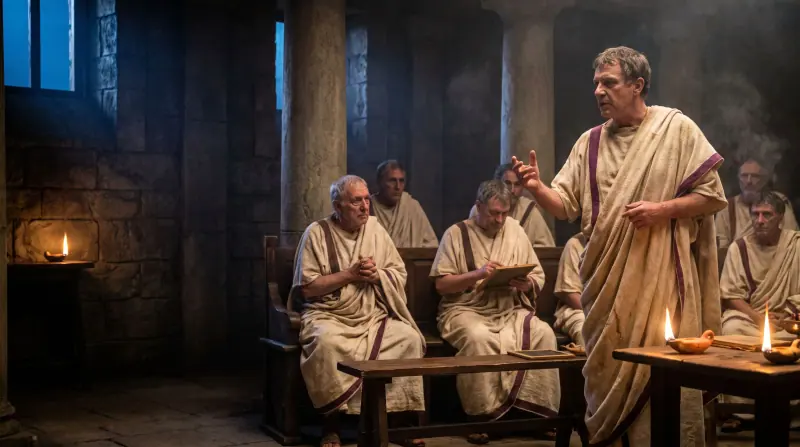
The Catiline conspiracy: rebellion, evidence and emergency power
What happened in the Catiline conspiracy of 63 BC: debt and rebellion, Cicero’s evidence, Caesar and Cato’s debate, and executions without trial.
Explore the history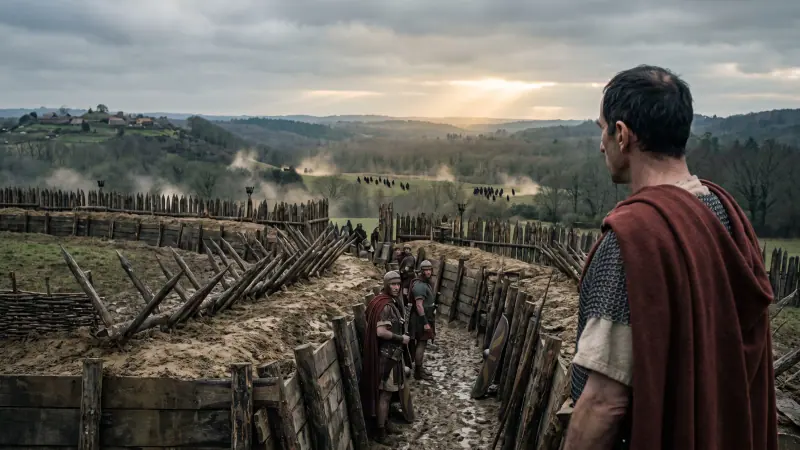
The Siege of Alesia: Caesar’s army between two enemies
A complete guide to Alesia: its location, Caesar’s double siege lines, Vercingetorix’s relief army, the final attacks, surrender and civilian consequences.
Explore the history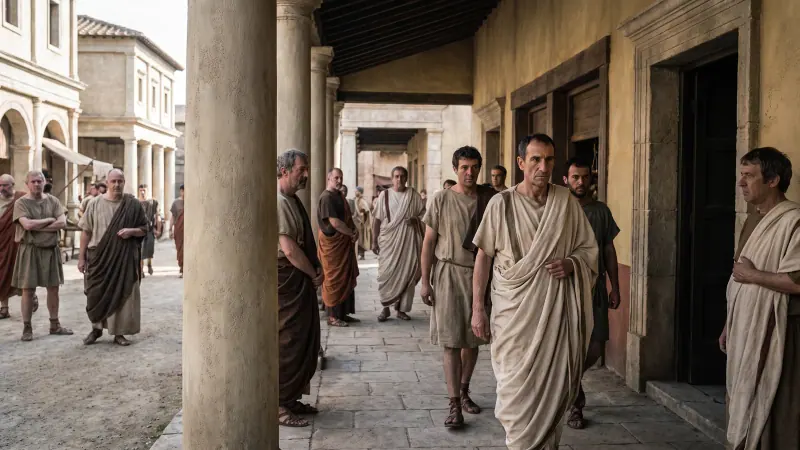
Caesar’s return to Rome in 49 BC: the capital without consent
Why Caesar crossed the Rubicon and returned to Rome in 49 BC, what happened to Pompey, and how the Senate and treasury exposed a crisis of authority.
Explore the history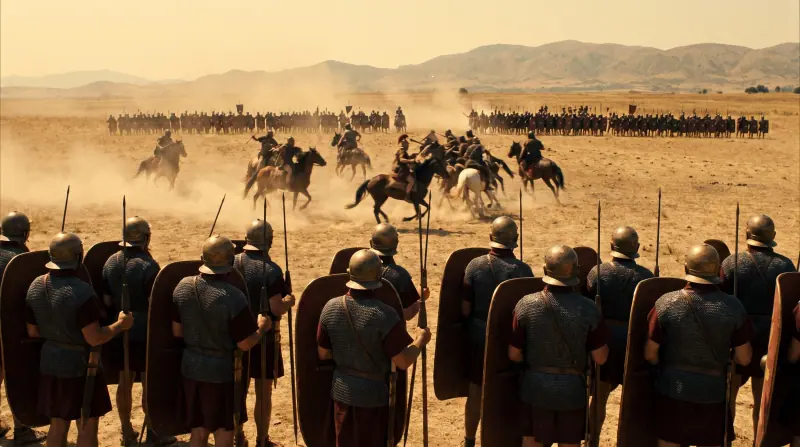
The Battle of Pharsalus: Caesar’s reserve and Pompey’s defeat
How Caesar won at Pharsalus in 48 BC: Pompey’s cavalry plan, the fourth infantry line, battle sequence, casualties, and the flight to Egypt.
Explore the history
Cleopatra VII: the queen who returned to Alexandria
Who was Cleopatra VII? Follow her struggle for Egypt’s throne, her meeting with Julius Caesar in 48 BC, and the evidence behind the famous carpet story.
Explore the history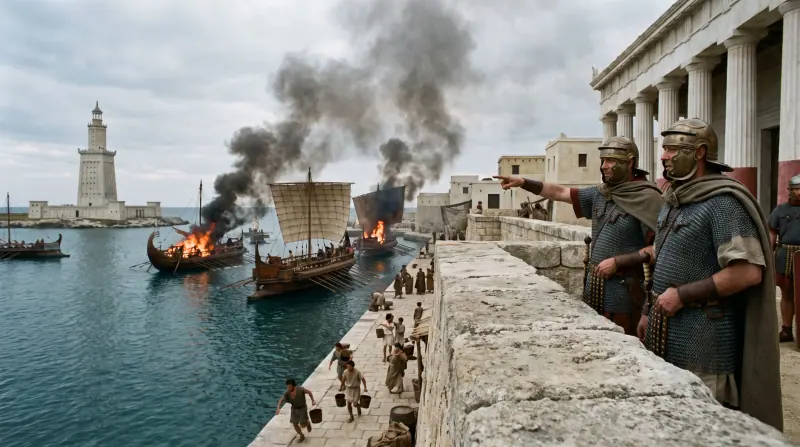
The Alexandrian War: Caesar and Cleopatra under siege
Why did Caesar fight in Alexandria? Follow the siege, water crisis, harbor battles, Nile campaign and Cleopatra’s restoration, with evidence on the Library fire.
Explore the history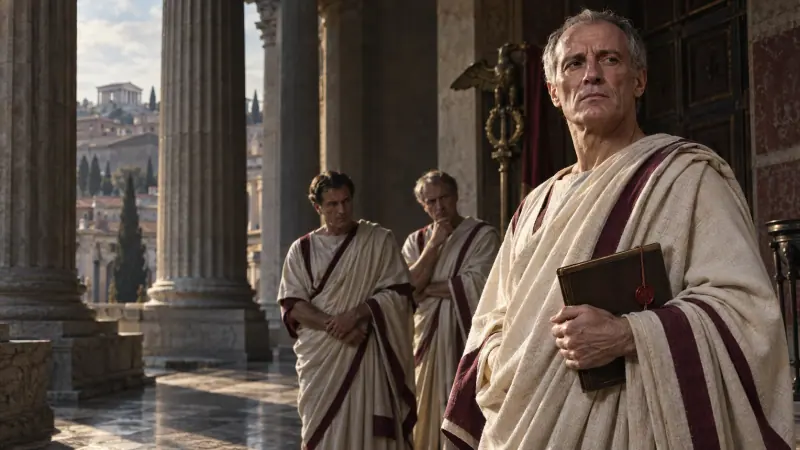
Caesar as dictator for life: power without an end date
When and why did Julius Caesar become dictator for life? Understand his earlier appointments, reforms, powers and the political crisis before the Ides of March.
Explore the history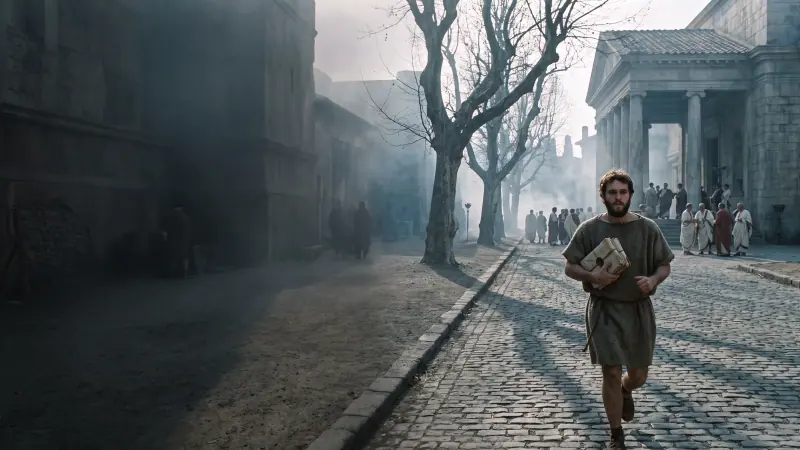
The Ides of March: the assassination of Julius Caesar
Julius Caesar was assassinated on 15 March 44 BC. Learn who Brutus and Cassius were, where the killing happened, why it happened and what followed.
Explore the historyFrom civil war to imperial rule
Actium did not end the struggle in a single afternoon. The final campaigns, the deaths of Antony and Cleopatra, and Octavian’s political settlements turned military dominance into a durable new order. Read these guides together to separate the battle, its aftermath and the emergence of the principate.
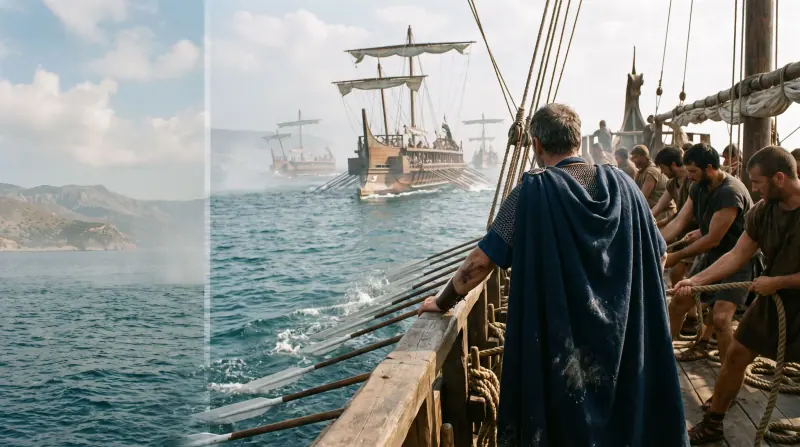
The Battle of Actium: the naval defeat of Antony and Cleopatra
Explore Actium’s causes, Agrippa’s blockade, the naval battle and Cleopatra’s breakout, and why the victory helped Octavian become Augustus.
Explore the history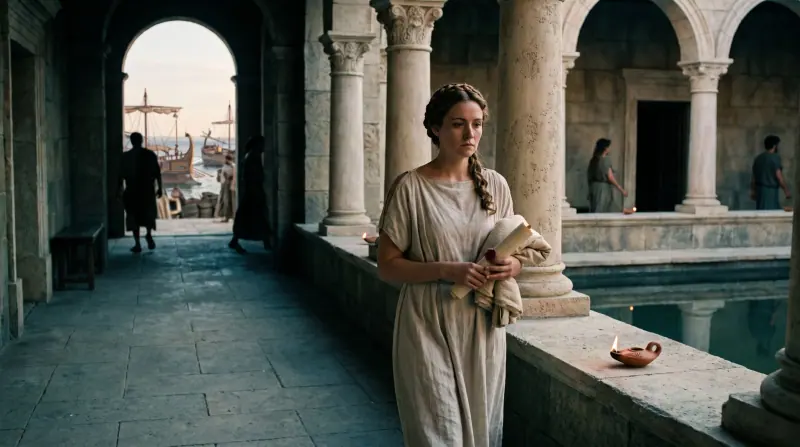
The death of Cleopatra and the fall of Ptolemaic Egypt
How did Cleopatra die, and why did Egypt fall to Rome? Explore Octavian’s conquest, Antony’s death, the uncertain snakebite story and Egypt’s new government.
Explore the history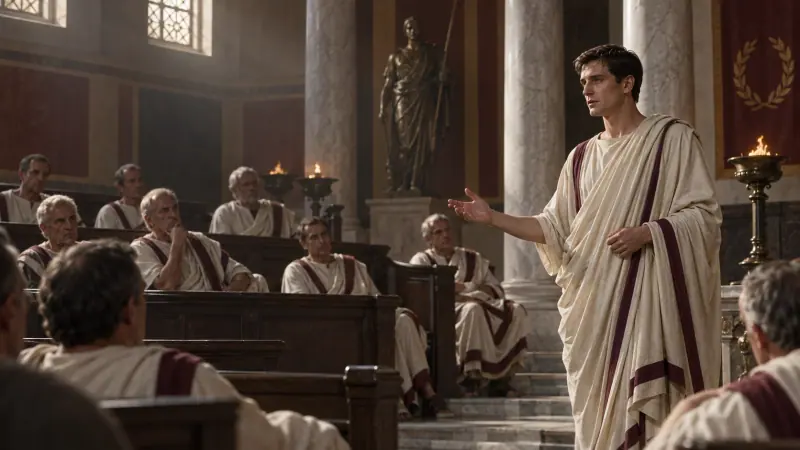
Octavian becomes Augustus: how Rome’s first emperor ruled
How did Augustus become Rome’s first emperor? Follow Caesar’s heir through civil war, Actium and the settlement of 27 BC, and learn how his power worked.
Explore the historyAn empire tested
Frontier defeats, urban disasters, epidemics and civil wars reveal different limits of imperial power. Compare military narratives with archaeology and eyewitness testimony. Constantine’s victory and Alaric’s sack changed the Roman world, but neither is a simple date on which all Roman institutions or identities disappeared.
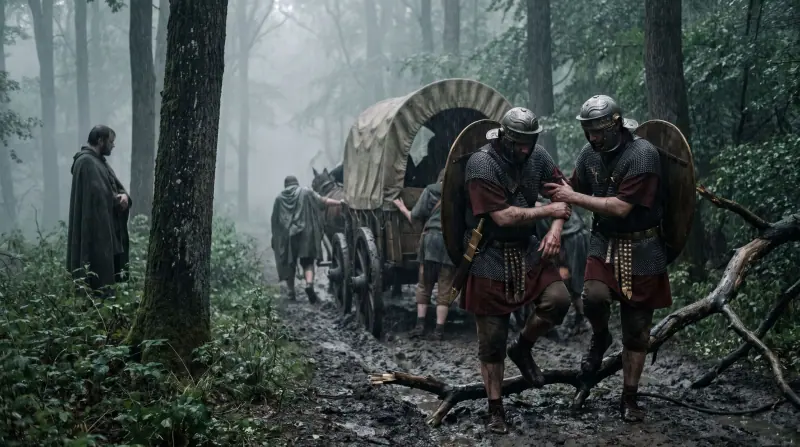
The Battle of Teutoburg Forest, AD 9
Why Arminius defeated Varus in AD 9: the ambush, three lost legions, Kalkriese archaeology, Roman retaliation and the limits of the surviving evidence.
Explore the history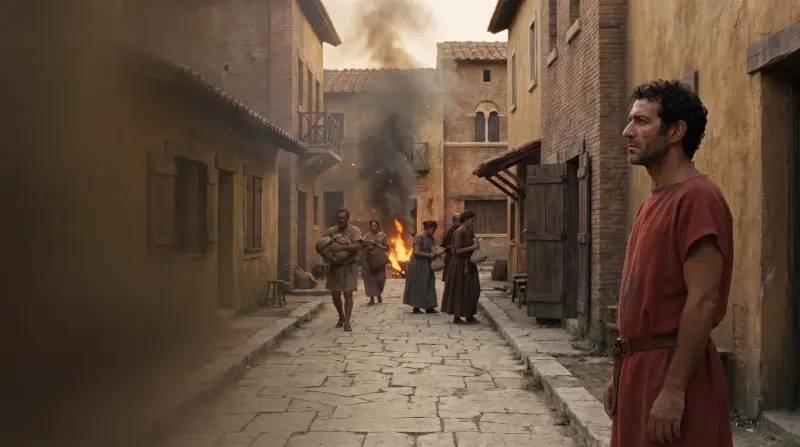
The Great Fire of Rome in AD 64
How the Great Fire spread through Rome in AD 64, what Nero did, why the arson claim is uncertain, and how rebuilding and persecution shaped its aftermath.
Explore the history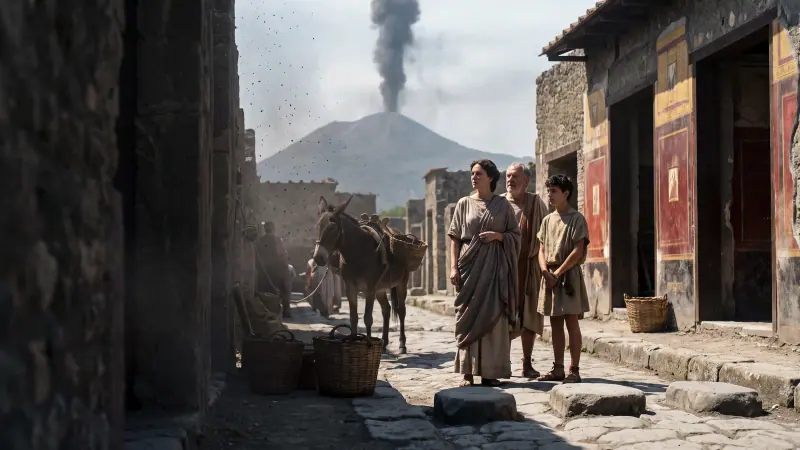
Pompeii and the eruption of Vesuvius in AD 79
A guide to Vesuvius’s AD 79 eruption: Pompeii’s destruction, Pliny’s eyewitness letters, escape, volcanic hazards, the casts and the disputed eruption date.
Explore the history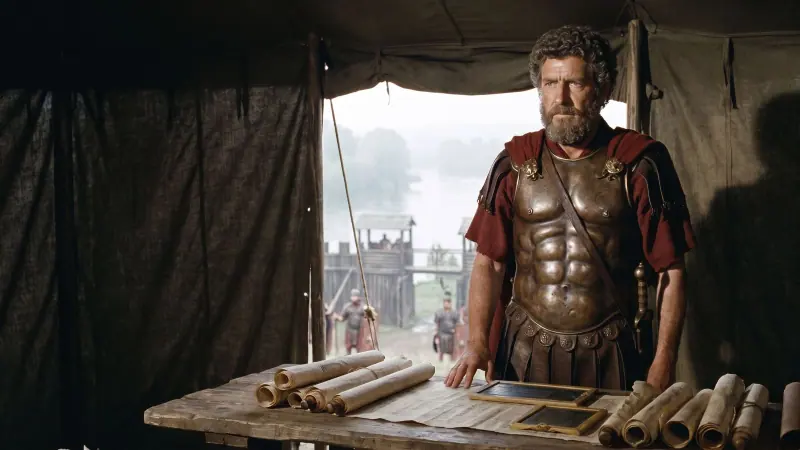
Marcus Aurelius: the philosopher emperor at war
Marcus Aurelius’s reign explained: the Danube wars, Carnuntum, the Antonine plague, Meditations, the rain miracle and the succession of Commodus.
Explore the history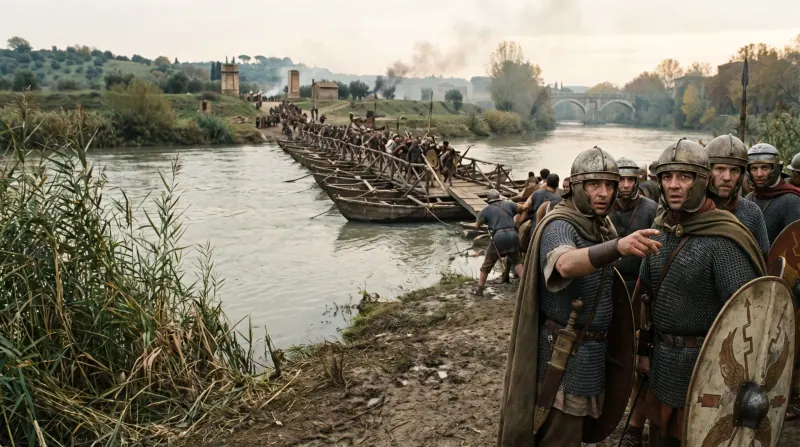
The Battle of the Milvian Bridge, AD 312
Why Constantine defeated Maxentius at the Milvian Bridge on 28 October 312, how the river mattered, and what the victory changed for Christianity.
Explore the history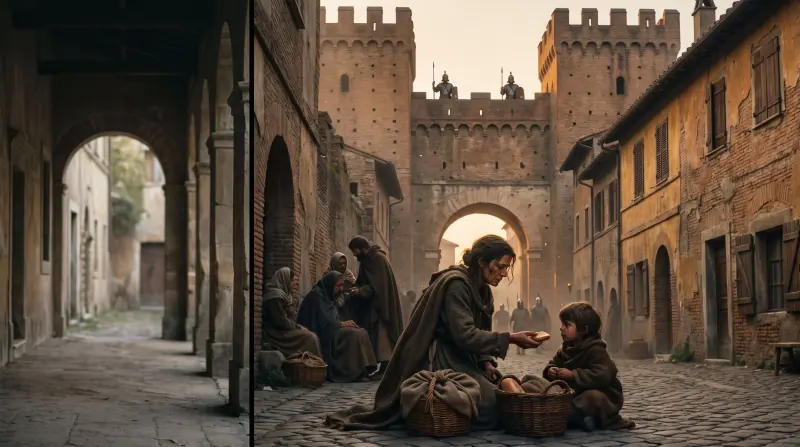
The sack of Rome by Alaric in AD 410
Why Alaric sacked Rome in AD 410, how failed negotiations and food shortages led to the crisis, what happened to residents, and why the empire continued.
Explore the historyThe eastern Roman world
Roman imperial government continued at Constantinople long after the end of the western imperial court. The Ottoman siege of 1453 belongs to a late medieval world of cannon, maritime supply and diplomacy. It needs its own chronology and material culture, rather than the equipment or assumptions of Caesar’s age.