Siege, negotiation and the opening of the gate
The crisis involved more than a sudden foreign invasion: Alaric sought a settlement within the Roman political world, while competing leaders struggled over resources and recognition. Later stories disagree about exactly how the Salarian Gate opened. Procopius offers alternative explanations, a reminder that a vivid tale about a secret betrayal is not the same as a securely witnessed event.
What the sack meant to contemporaries
Augustine’s City of God responds to arguments that abandoning Rome’s traditional gods had caused the disaster. His discussion also confronts captivity, displacement and the suffering of victims. The sack became a religious and political argument as well as a human catastrophe. Honorius continued to rule afterward, and Roman government survived in both western territories and the eastern empire.
Questions people ask
Who sacked Rome in AD 410?
An army led by Alaric entered the city and plundered it. His forces are commonly described as Visigothic, though their relationship with the Roman state was complex.
Did the Roman Empire fall in AD 410?
No. The sack exposed severe weaknesses and carried enormous symbolic weight, but it did not end imperial government. Rome’s sack and the empire’s longer transformation are different events.
Step into The Sack of Rome
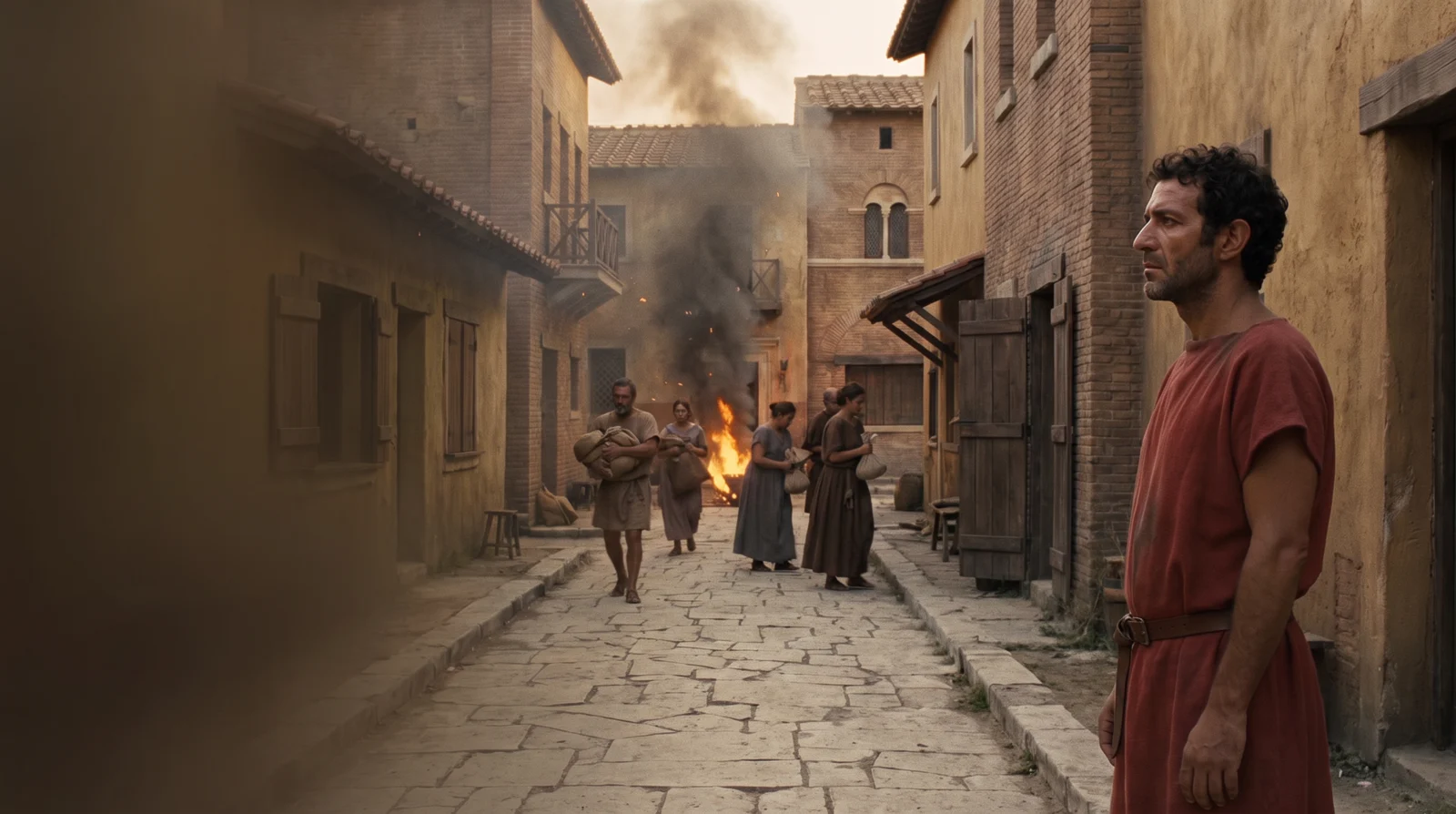
Alaric’s army has surrounded the city again. Negotiate local access, ration what food remains, and reunite separated households before the gate opens.
This episode is a planned playable documentary. You can explore its narrated opening and make one decision now. The three acts below describe the full story in development. Once completed, it will be free for everyone.
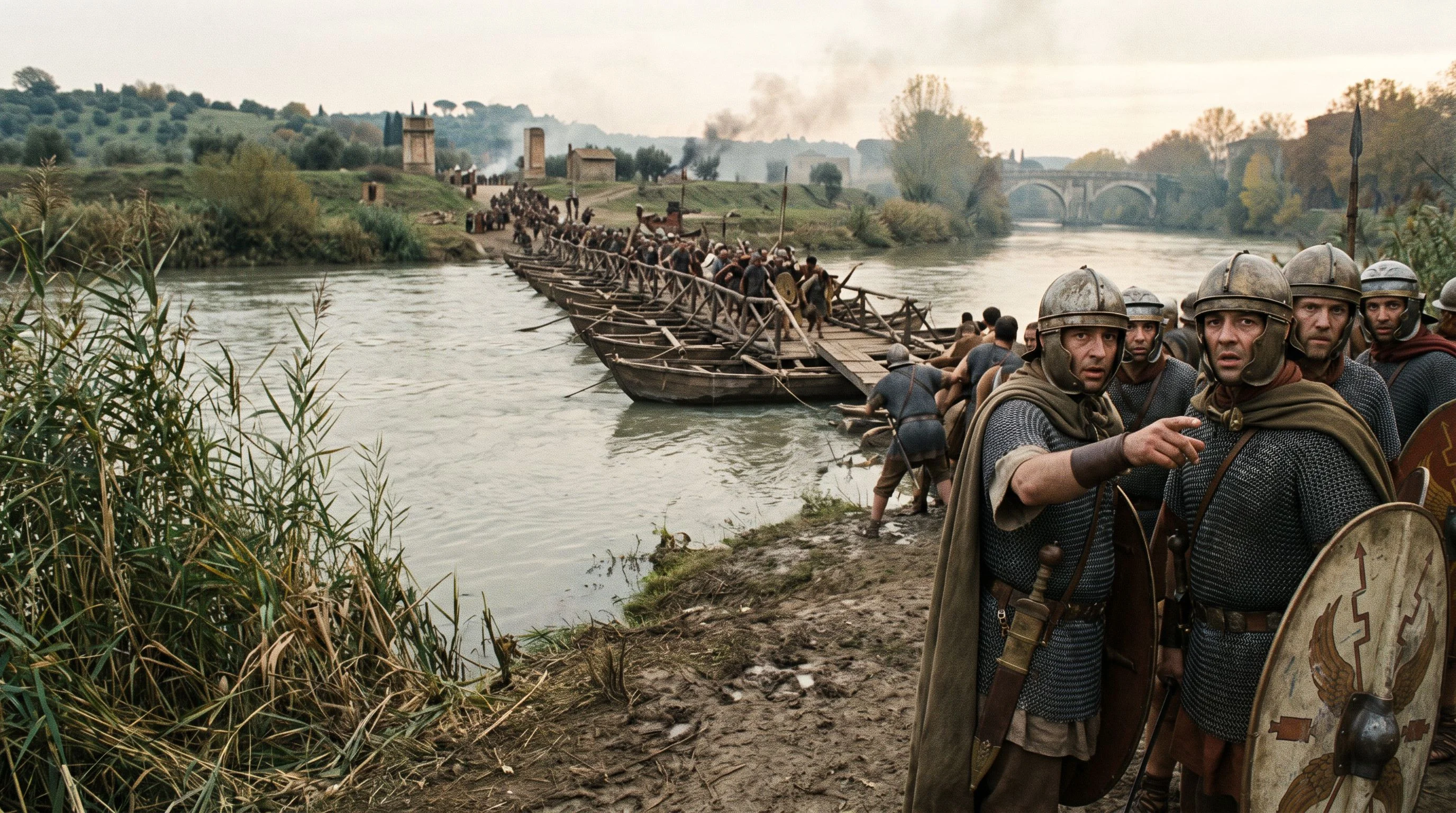
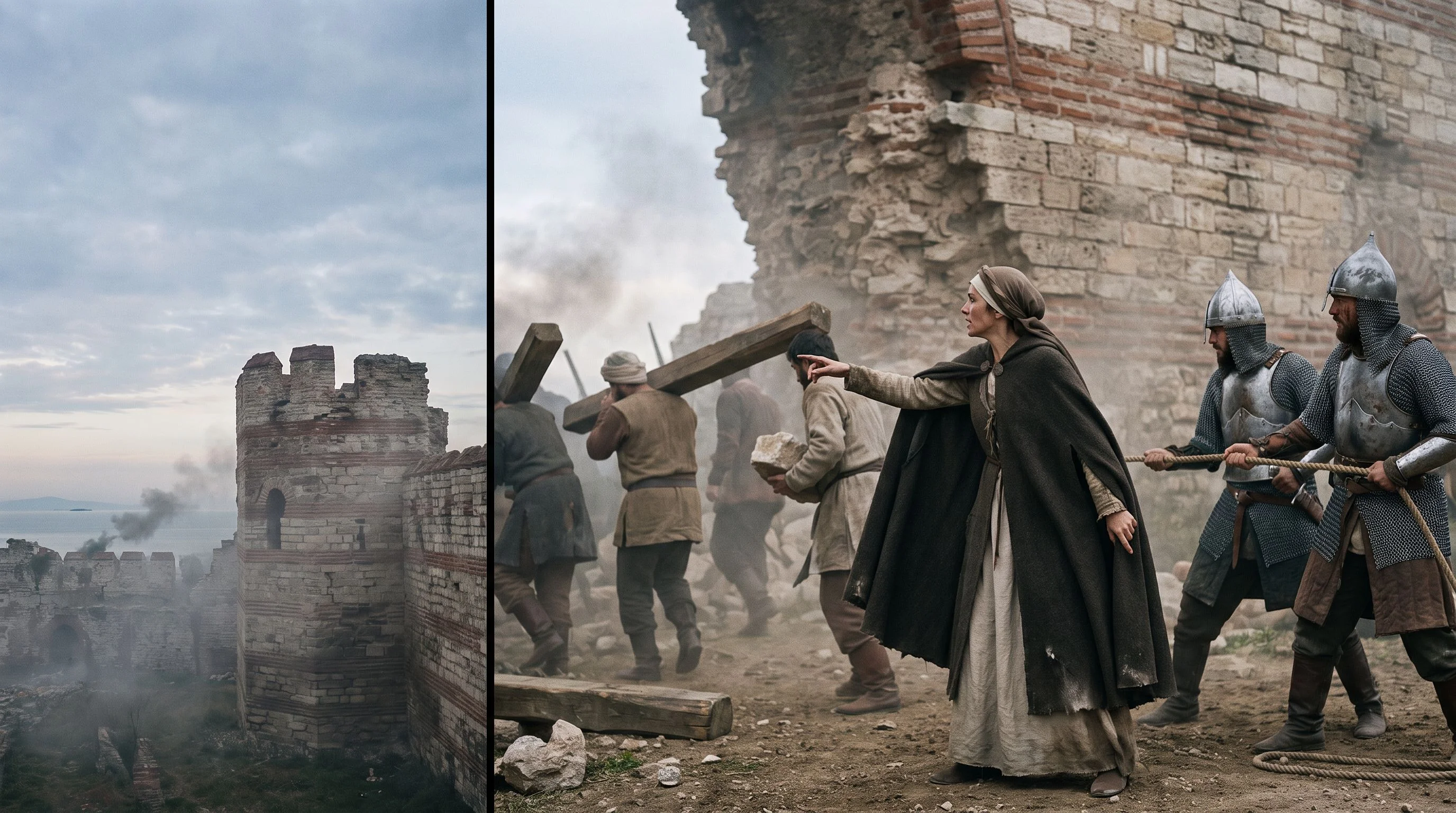
- The third siege
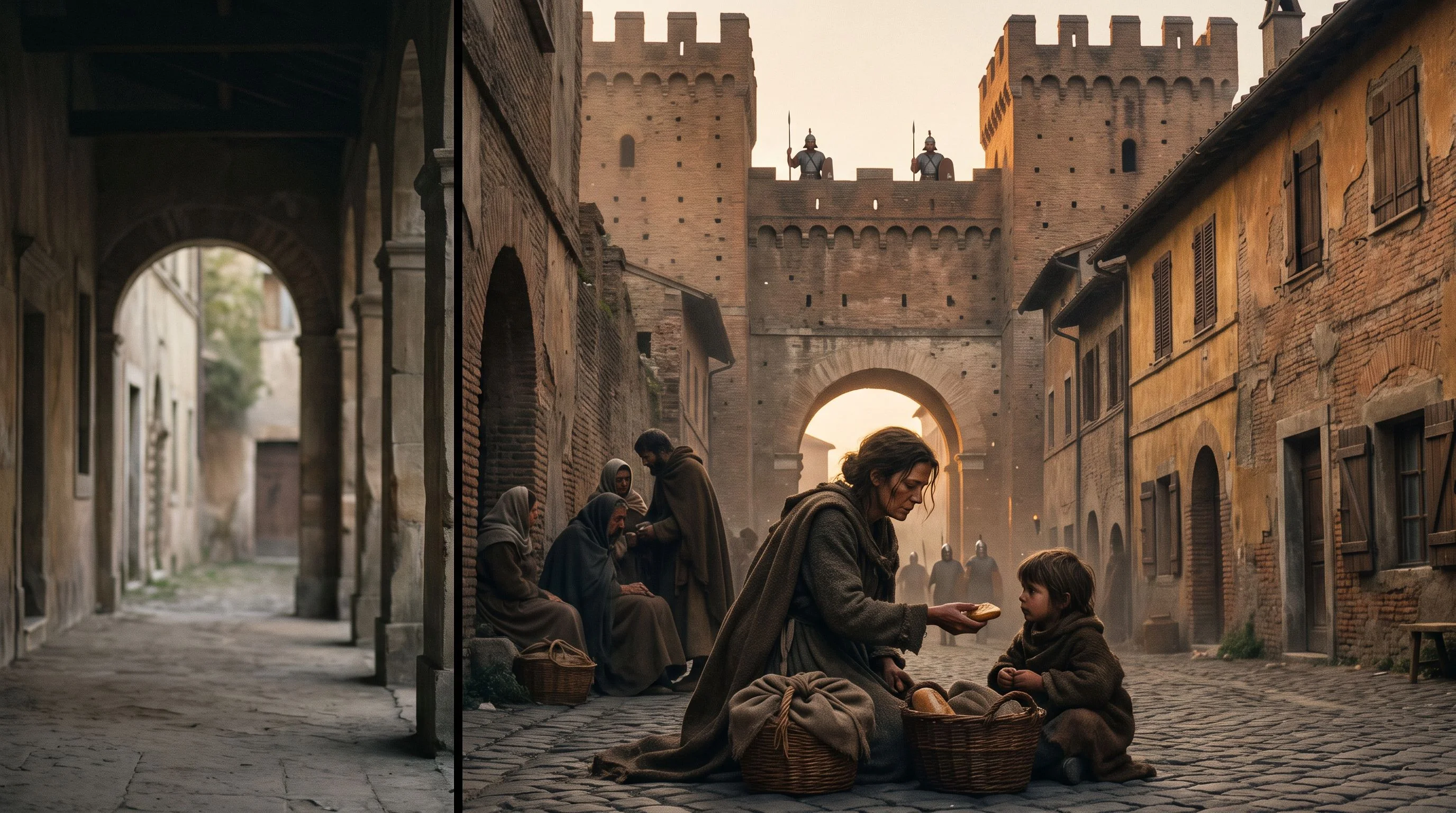
- Bread and ransom
- The gate opens
Sources and perspective
Ancient accounts reflect their authors’ positions and often disagree. These sources inform the historical summary; dialogue, player roles and imagery in the documentary may be dramatized.
- Procopius · Wars 3.2.7–39
A much later account preserving conflicting stories about the city’s capture.
- Augustine · City of God, Book 1
A near-contemporary response to the sack and arguments about its religious meaning.
- Livius · Honorius chronology
The political chronology distinguishes the sack from the continuation of Honorius’s reign.
An original historical guide by The Age of Rome. Updated 14 September 2026.