From siege lines to the Byrsa citadel
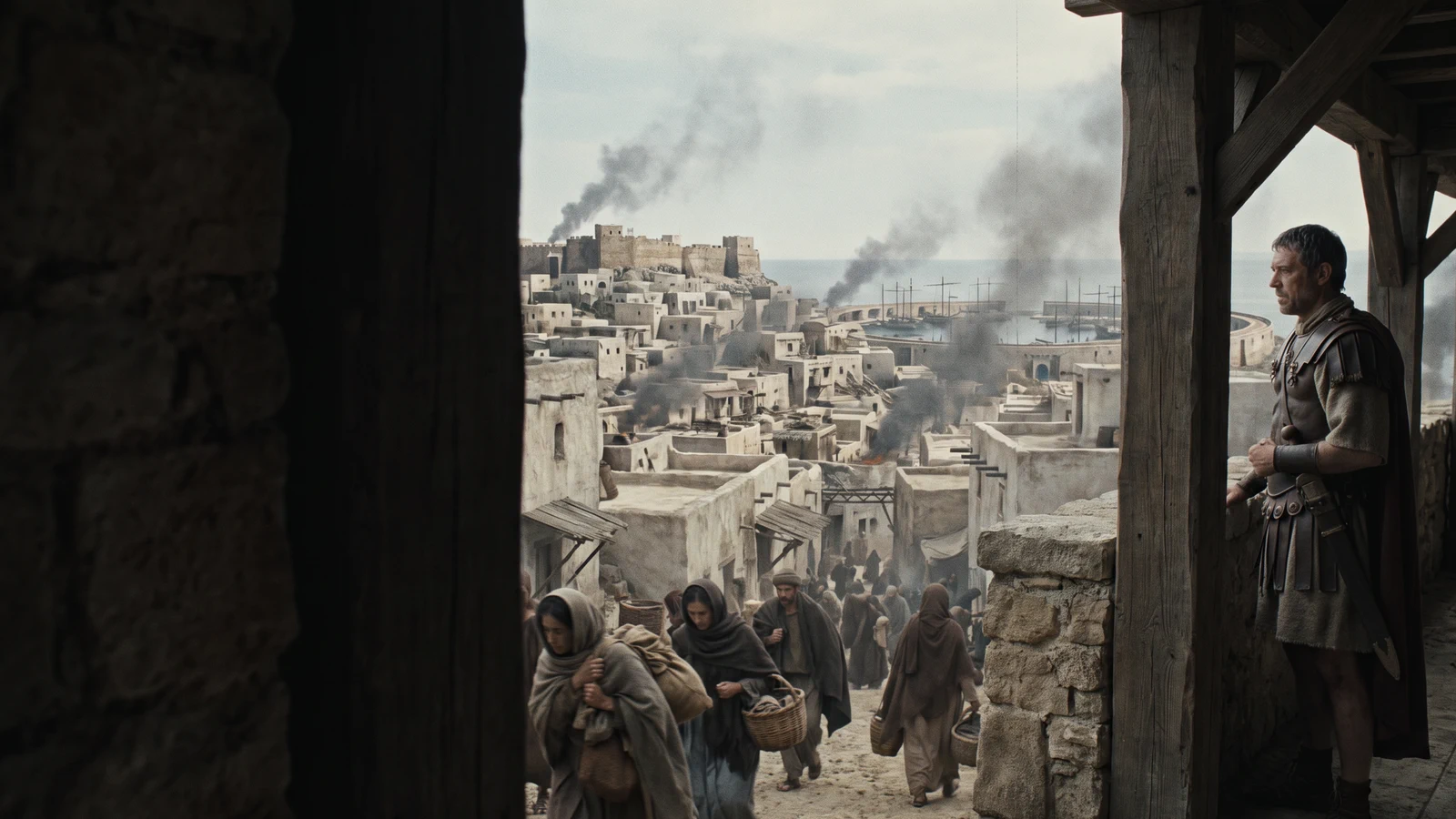
Appian describes a city weakened by interrupted supplies before Roman troops broke into its harbour district. Fighting then moved through narrow streets, houses and rooftops toward Byrsa. His account describes days of combat and fire, with civilians caught among collapsing buildings. It is a narrative of urban conquest, not a single charge through an undefended gate.
The human cost of the Roman victory
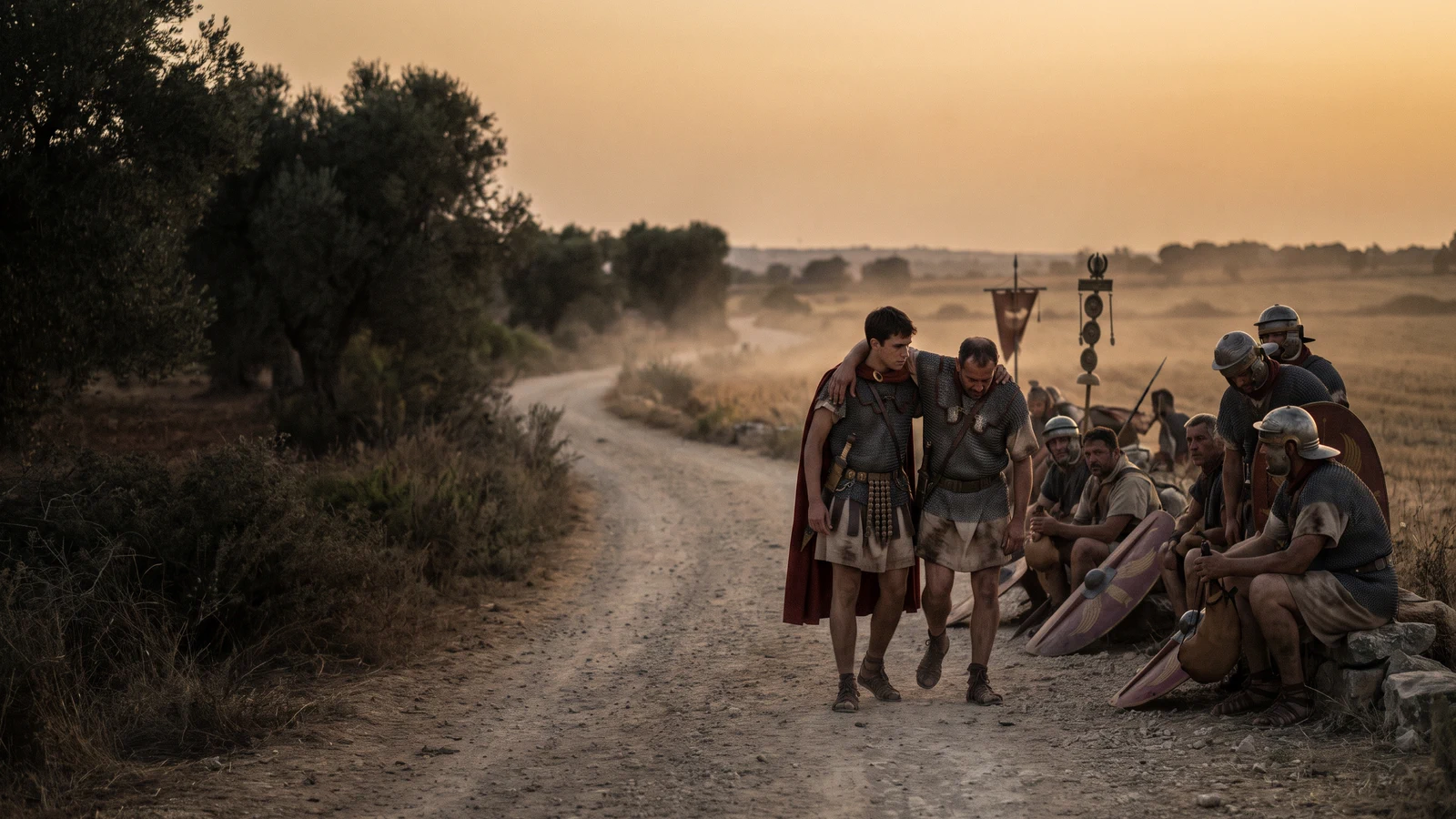
The survivors who surrendered did not regain an independent Carthage. Appian records captivity, plunder and Roman orders to dismantle what remained. He also tells of Scipio reflecting on the possibility that Rome might one day suffer a similar fate. Written centuries afterward, this account preserves the victors’ memory of both triumph and the fragility of power.
Questions people ask
Who destroyed Carthage?
Roman forces commanded by Scipio Aemilianus captured and destroyed Carthage in 146 BC. He was not Scipio Africanus, the commander who defeated Hannibal at Zama.
Did the final assault happen in one day?
No. Appian describes several days of street fighting before the surrender at Byrsa. The wider siege had already subjected the city to prolonged military pressure and shortages.
Step into The Fall of Carthage
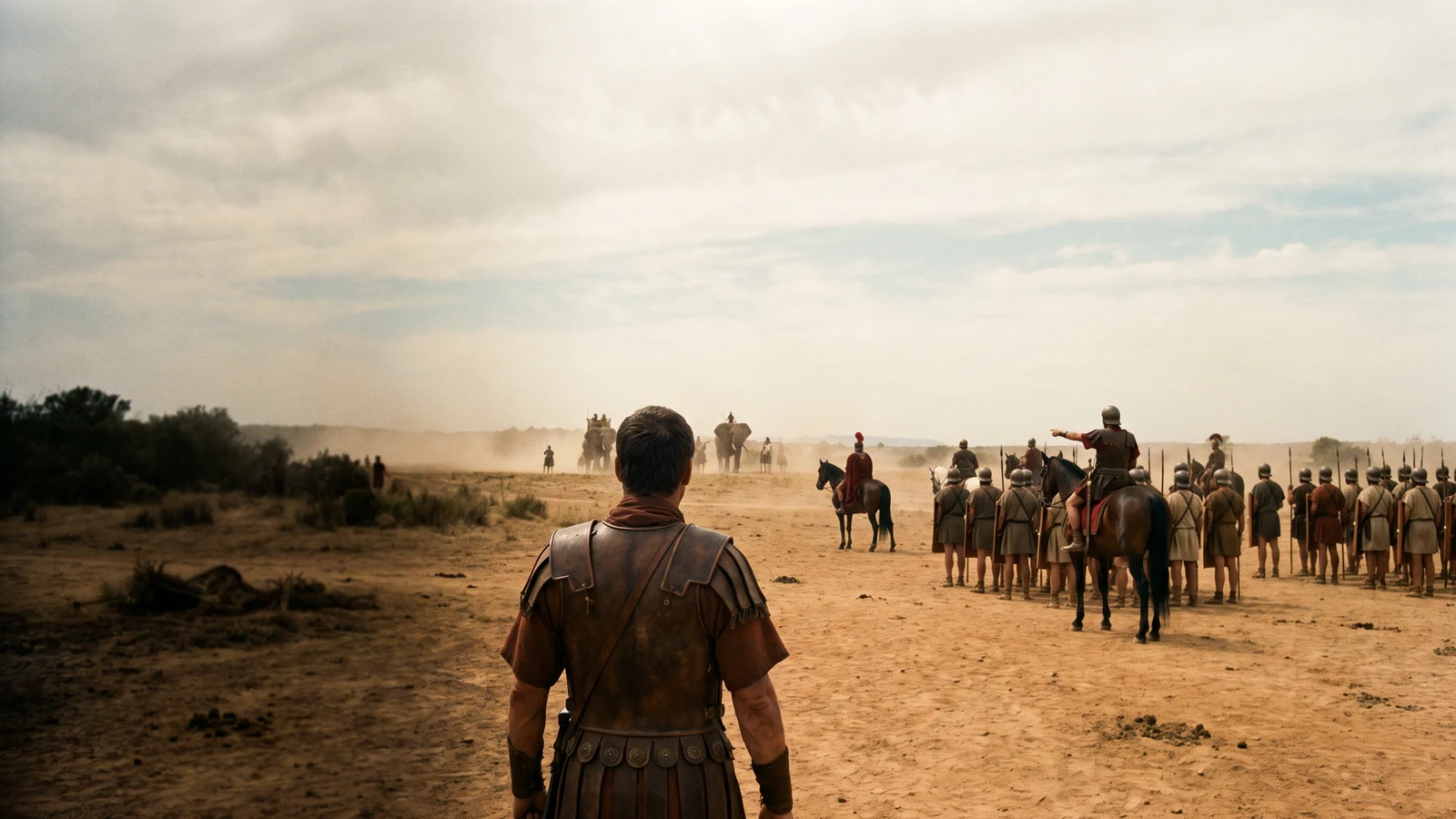
Witness the cost of Rome’s conquest from a bounded command post and composite street route. A historian-led script must confront civilian consequences.
This episode is a planned playable documentary. You can explore its narrated opening and make one decision now. The three acts below describe the full story in development. Once completed, it will be free for everyone.
- At the siege line
- Enter the streets
- Witness the consequence
Sources and perspective
Ancient accounts reflect their authors’ positions and often disagree. These sources inform the historical summary; dialogue, player roles and imagery in the documentary may be dramatized.
- Appian · Punic Wars 126–130
The surviving detailed description of the harbour assault, street fighting and surrender.
- Appian · Punic Wars 131–135
The aftermath and Scipio’s reported reflections; Appian wrote long after the event.
An original historical guide by The Age of Rome. Updated 14 September 2026.