Why the river crossing became decisive
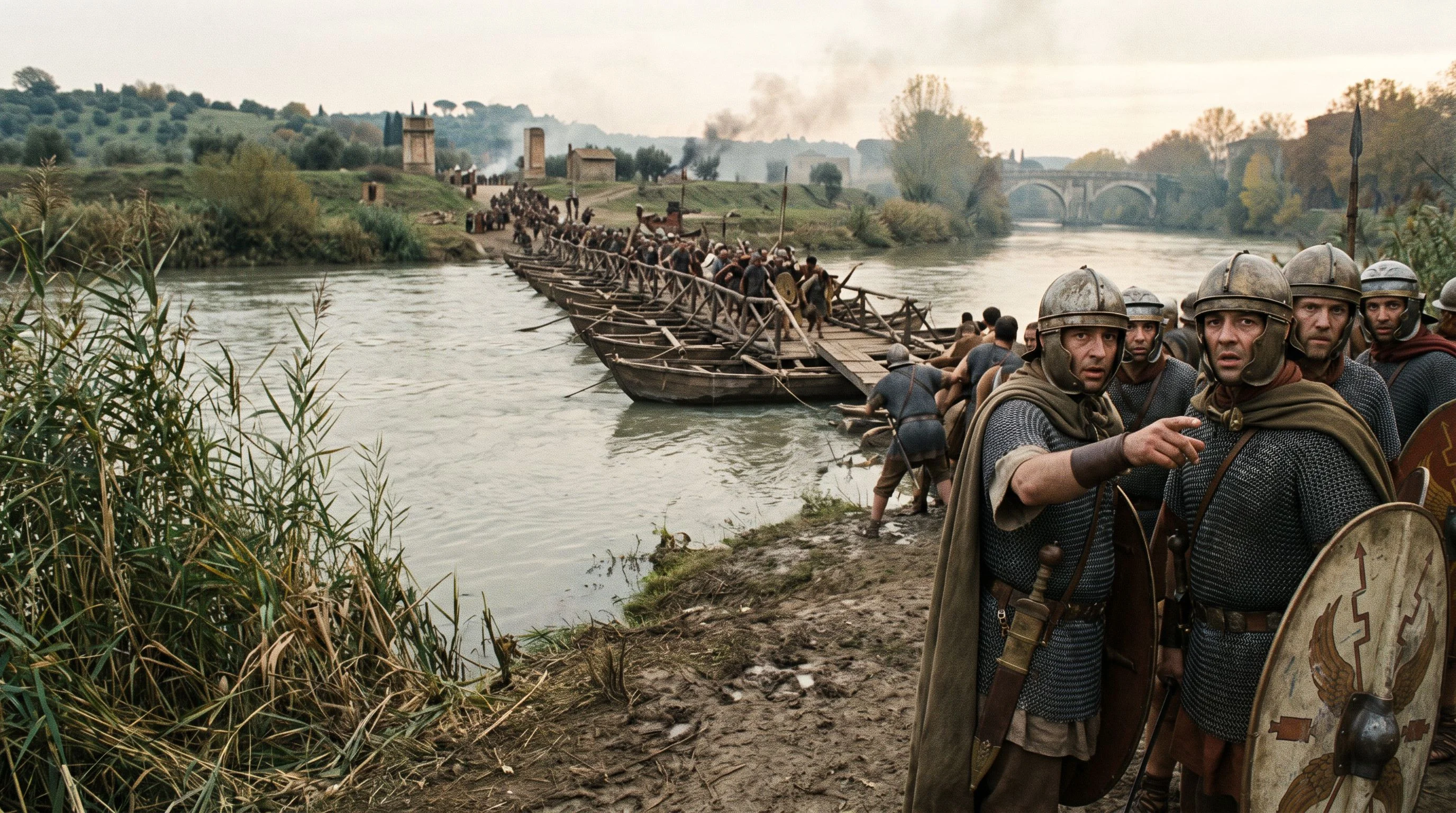
Lactantius describes Maxentius’s troops meeting Constantine outside Rome and being driven back toward a broken crossing. With the Tiber behind them, retreat became disastrous. Maxentius drowned as his army collapsed. The account emphasizes divine judgement, but the military setting also matters: a defeated force trying to pass a restricted river crossing faced a severe practical danger.
The dream and the vision in the sources
Lactantius reports a dream instructing Constantine to mark his soldiers’ shields. Eusebius later relates a sign seen in the sky and a further dream, saying Constantine told him the story. These are different accounts by Christian authors supportive of the emperor. They help explain how the victory was remembered, without allowing a supernatural event to be independently verified.
Questions people ask
Who won the Battle of the Milvian Bridge?
Constantine defeated Maxentius in AD 312. The victory secured Rome and strengthened Constantine’s position, though other emperors still ruled elsewhere and further civil conflict followed.
Did Christianity become the state religion immediately?
No. Constantine’s victory was an important stage in imperial support for Christianity. It did not instantly make every Roman Christian or abolish the empire’s other religious traditions.
Step into Constantine at the Milvian Bridge
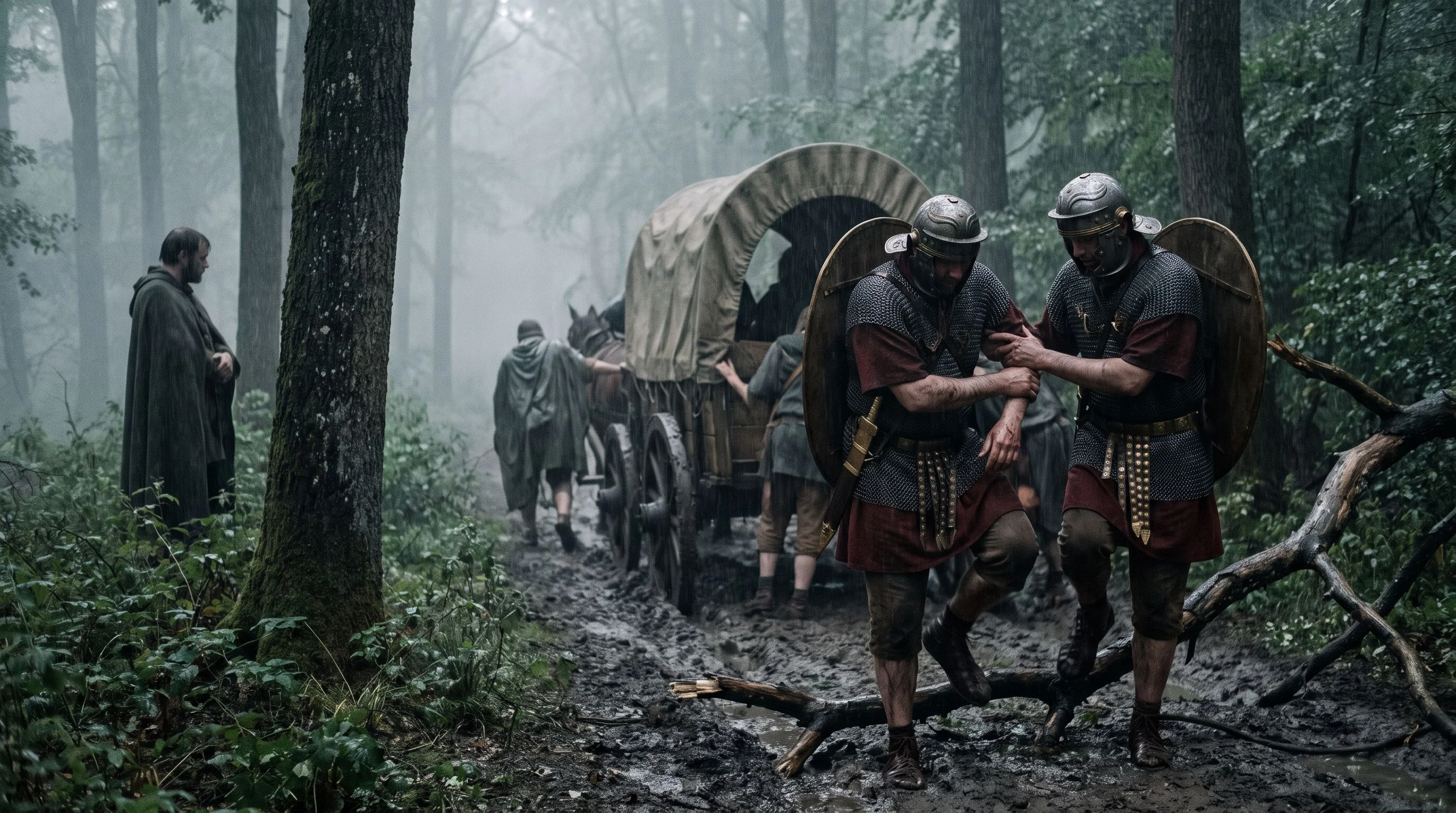
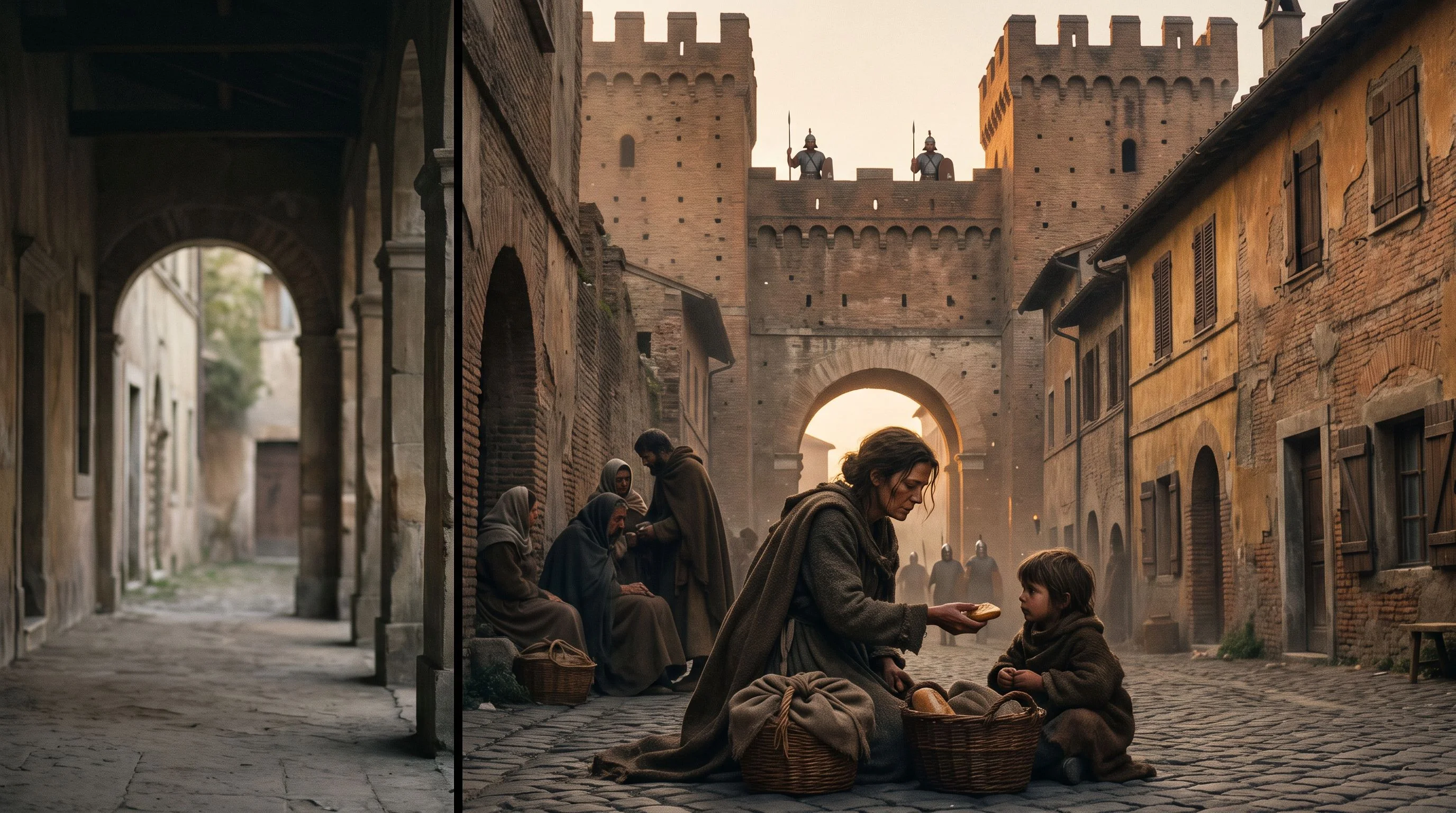
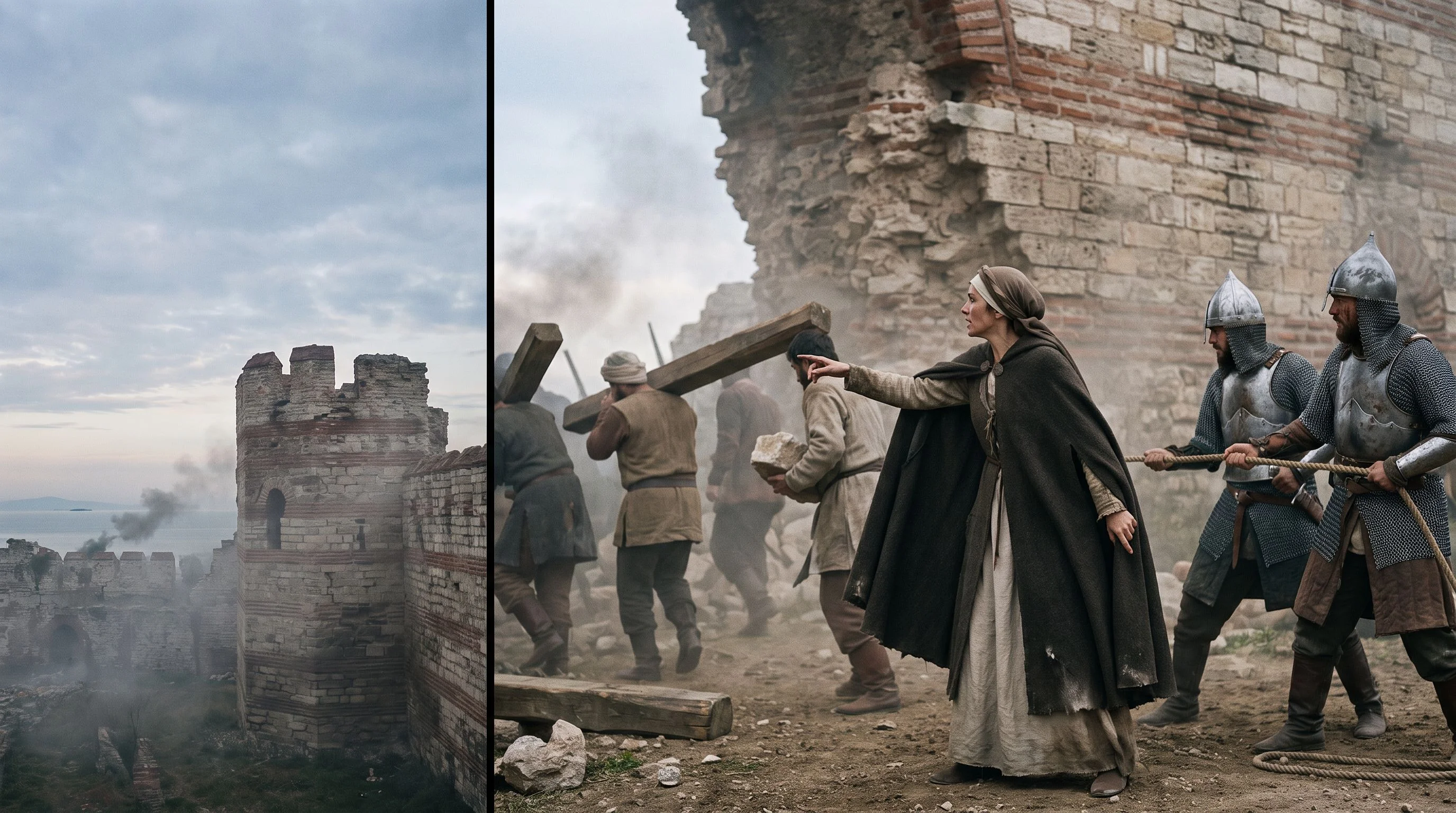
Constantine’s army pins Maxentius against the Tiber. Protect the approach to the crossing, keep your units from being isolated, and watch a civil war decide the empire’s future.
This episode is a planned playable documentary. You can explore its narrated opening and make one decision now. The three acts below describe the full story in development. Once completed, it will be free for everyone.
- The northern road
- Hold the approach
- The bridge fails
Sources and perspective
Ancient accounts reflect their authors’ positions and often disagree. These sources inform the historical summary; dialogue, player roles and imagery in the documentary may be dramatized.
- Lactantius · On the Deaths of the Persecutors 44–48
An early Christian account of the battle, the dream and subsequent religious policy.
- Eusebius · Life of Constantine 1.27–32
The later account of a heavenly sign and Constantine’s interpretation.
An original historical guide by The Age of Rome. Updated 14 September 2026.