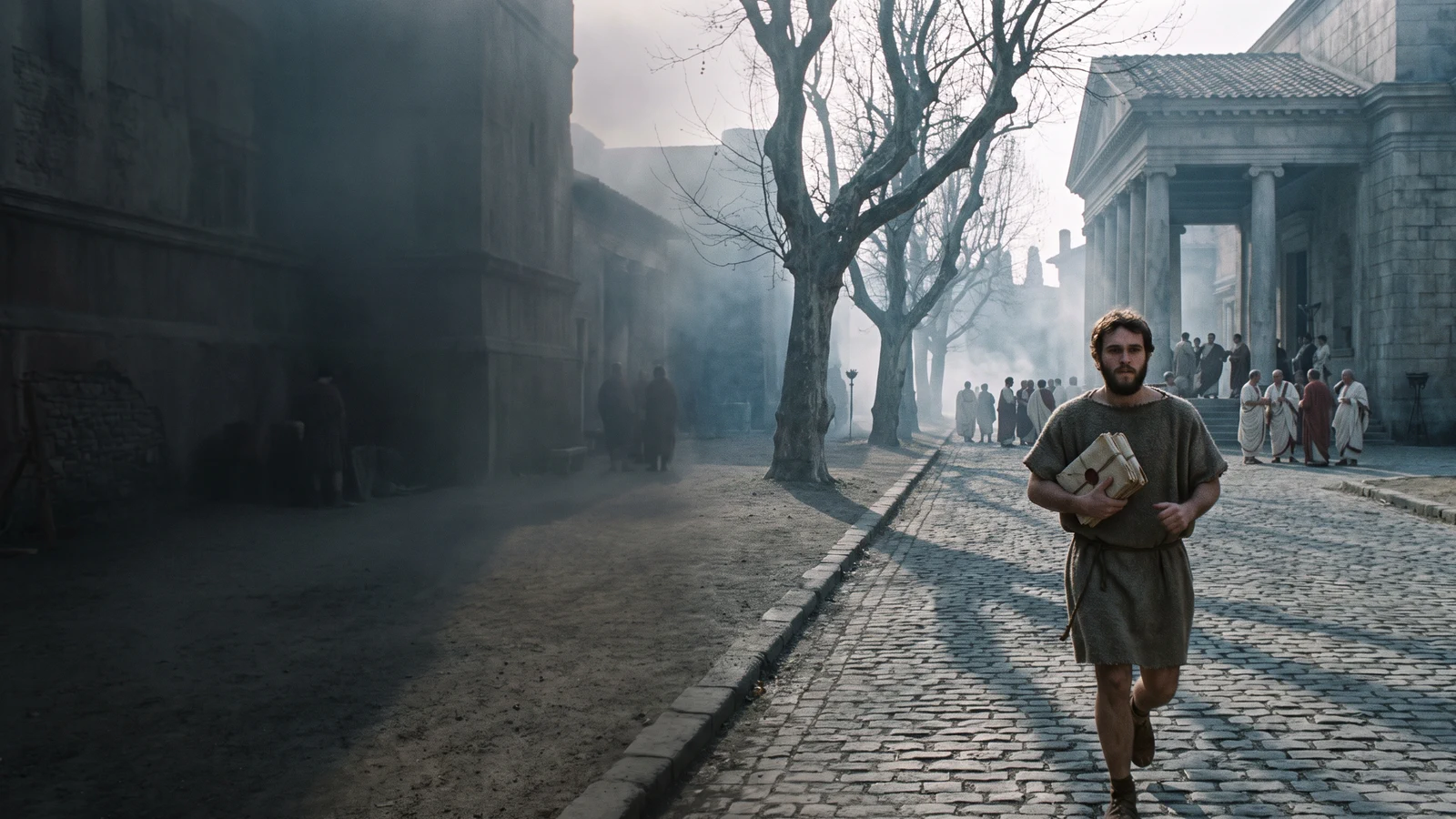
Cicero’s accusations and the evidence
Cicero’s speeches present Catiline as an immediate danger to Rome. Catiline left the city and joined armed supporters in Etruria, while officials investigated associates who remained in the capital. Sallust describes letters and testimony obtained through envoys of the Allobroges. These accounts are indispensable, but neither Cicero’s self-defence nor Sallust’s moral history is a neutral court transcript.
The Senate’s decision and its consequences
Sallust gives contrasting speeches to Caesar and Cato during the debate over the prisoners’ fate. Caesar opposed execution; Cato urged a harsher response. Cicero had five detained conspirators executed without a public trial. Catiline later died fighting in 62 BC. Suppressing the revolt did not resolve the argument over emergency powers and the legal protections of Roman citizens.
Questions people ask
Was Julius Caesar the leader of the Catiline conspiracy?
No secure evidence establishes that claim. Caesar’s best documented role in the crisis was arguing against executing the detained conspirators during the Senate’s debate.
Why is Cicero’s account treated cautiously?
Cicero was the consul directing the response and defending his own decisions. His speeches show how he presented the danger, while other evidence helps test that presentation.
Step into Cicero and the Catiline Conspiracy
Reports name senators in a plot against the city. Weigh informers you cannot fully trust, persuade a divided Senate, and decide the fate of citizens without trial.
This episode is a planned playable documentary. You can explore its narrated opening and make one decision now. The three acts below describe the full story in development. Once completed, it will be free for everyone.
- An informer’s letter
- The Senate persuaded
- A sentence without trial
Sources and perspective
Ancient accounts reflect their authors’ positions and often disagree. These sources inform the historical summary; dialogue, player roles and imagery in the documentary may be dramatized.
- Cicero · First Oration Against Catiline
Cicero’s public accusation, delivered as a participant in the crisis.
- Sallust · The War with Catiline 40–61
The evidence, Senate debate, executions and Catiline’s final battle.
An original historical guide by The Age of Rome. Updated 14 September 2026.