From the Rubicon to a divided Senate
The conflict grew from failed negotiations over Caesar’s command and future office, with Pompey increasingly aligned against him. Crossing into Italy under arms made the dispute a military crisis. Caesar says he then left soldiers in nearby towns and addressed senators in Rome. His account presents the meeting as an appeal for cooperation, while also defending his earlier actions.
Why the treasury confrontation mattered
Caesar describes difficulty finding senators willing to carry a peace embassy to Pompey and opposition from the tribune Metellus. Later accounts develop the confrontation over the public treasury, where access to money tested the limits of reassurance. Caesar soon departed to continue the war. The Senate, the embassy and the treasury reveal how occupying a city differed from securing consent.
Questions people ask
Had Caesar defeated Pompey when he entered Rome?
No. Pompey had withdrawn from Italy, not surrendered. Their decisive confrontation at Pharsalus took place in Greece in 48 BC, and fighting against other opponents continued afterward.
When did Caesar become dictator for life?
In 44 BC, several years after this homecoming. He briefly held a dictatorship in 49 BC, but permanent dictatorship and the assassination belong to the later stages of his career.
Step into Caesar: Return to Rome
Rome is yours. Its consent is not. Face the Senate, watch a peace embassy unravel, and confront the tribune guarding the Republic’s treasury. How much of your promise will survive the need for power?
Explore this moment through a short, bounded mission, cinematic scenes and narrated historical context. Your decisions shape the dramatized experience; the historical outcome is explained separately.
- A Senate without agreement
- Three days without an envoy
- The Republic’s treasury
Desktop browser recommended. JavaScript and WebGL are needed for gameplay. This history page can be read without either.
Sources and perspective
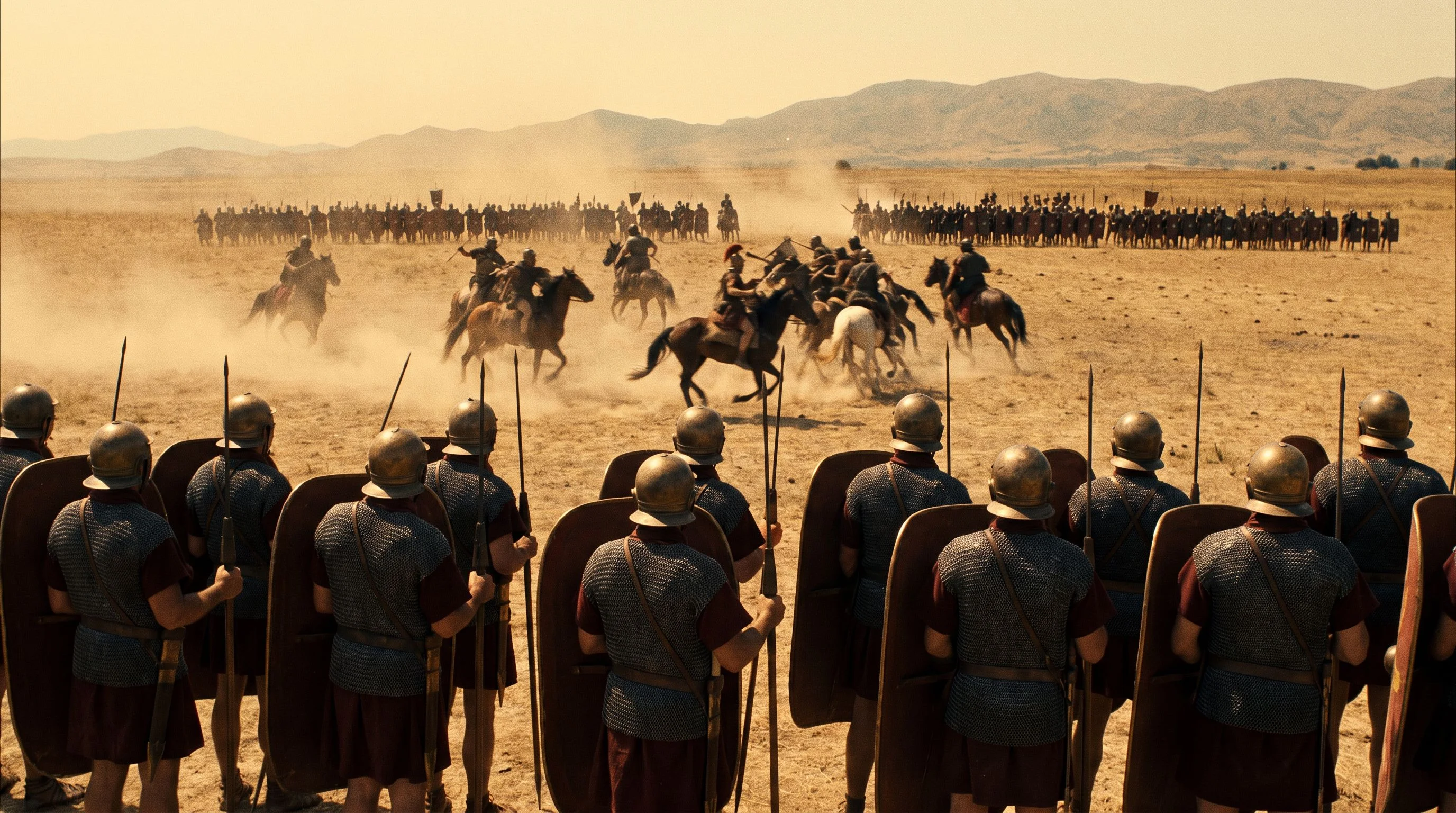
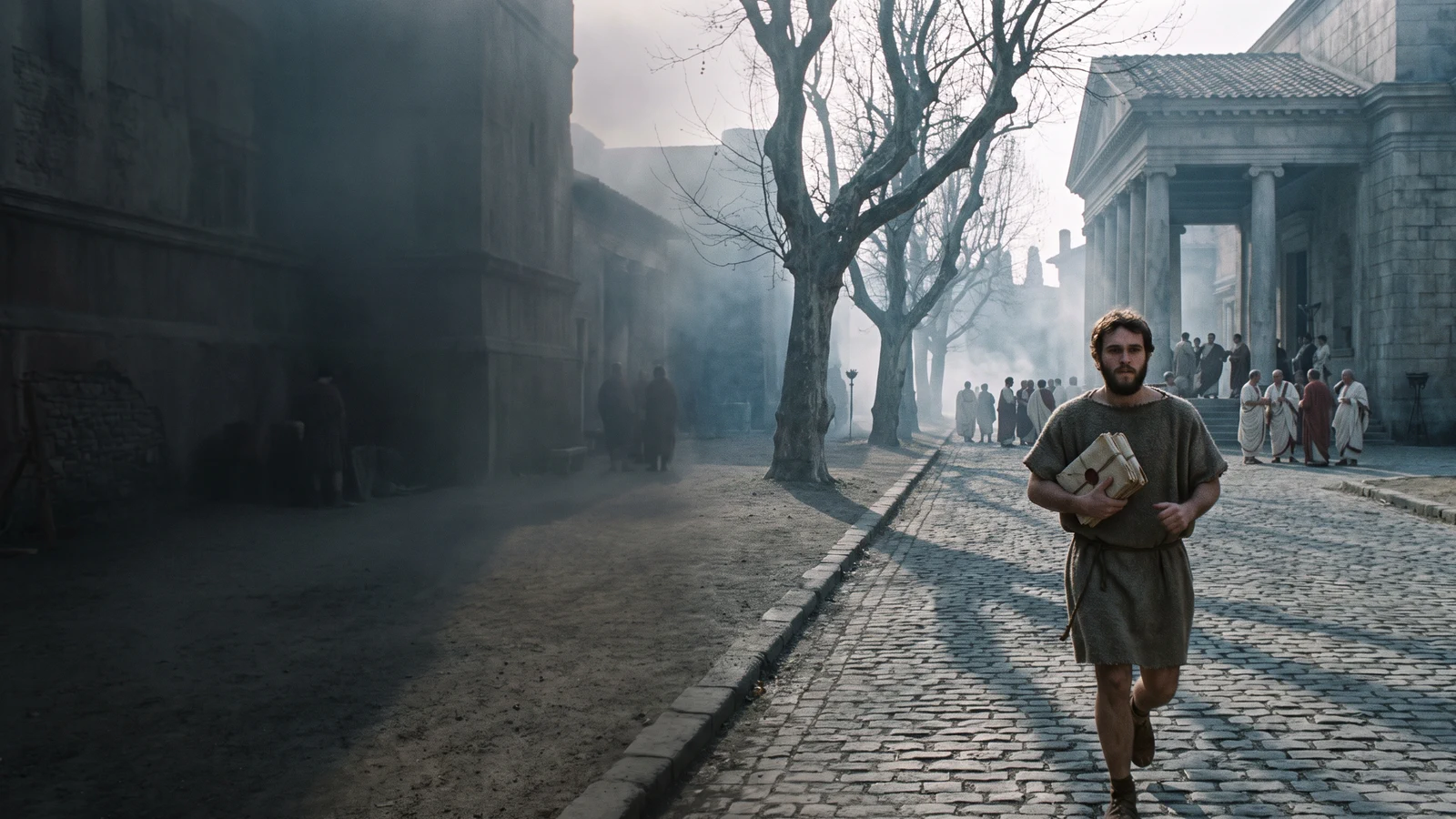
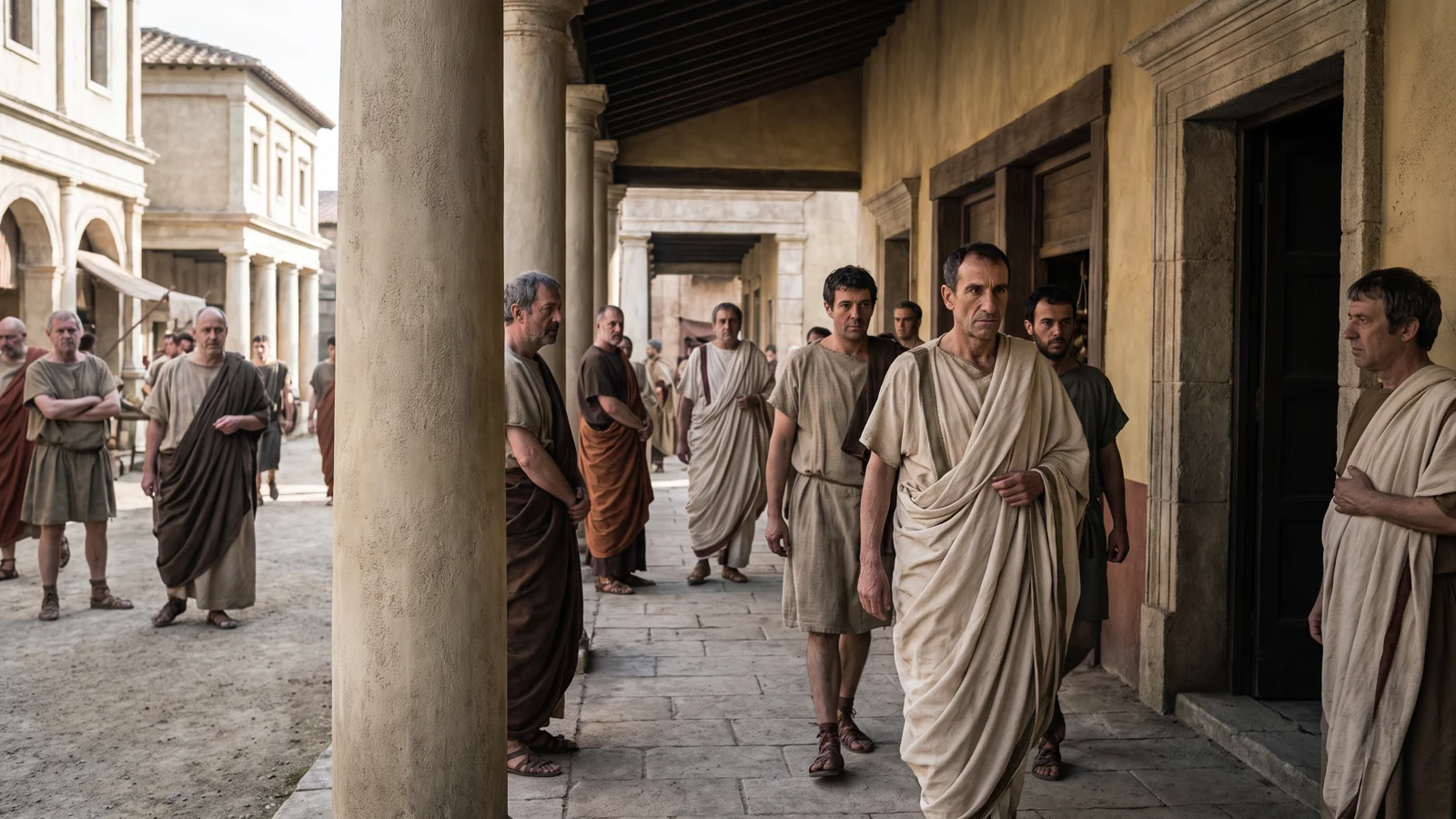
Ancient accounts reflect their authors’ positions and often disagree. These sources inform the historical summary; dialogue, player roles and imagery in the documentary may be dramatized.
- Caesar · Civil War 1.32–33
The Senate address, proposed embassy, Metellus and Caesar’s departure in his own account.
- Cassius Dio · Roman History 41.15–17
A later narrative emphasizing coercion and the public treasury.
- Suetonius · Julius Caesar 30–34, 76
The crossing, political ambitions and later accumulation of exceptional honours.
An original historical guide by The Age of Rome. Updated 14 September 2026.