Why senators turned against Caesar
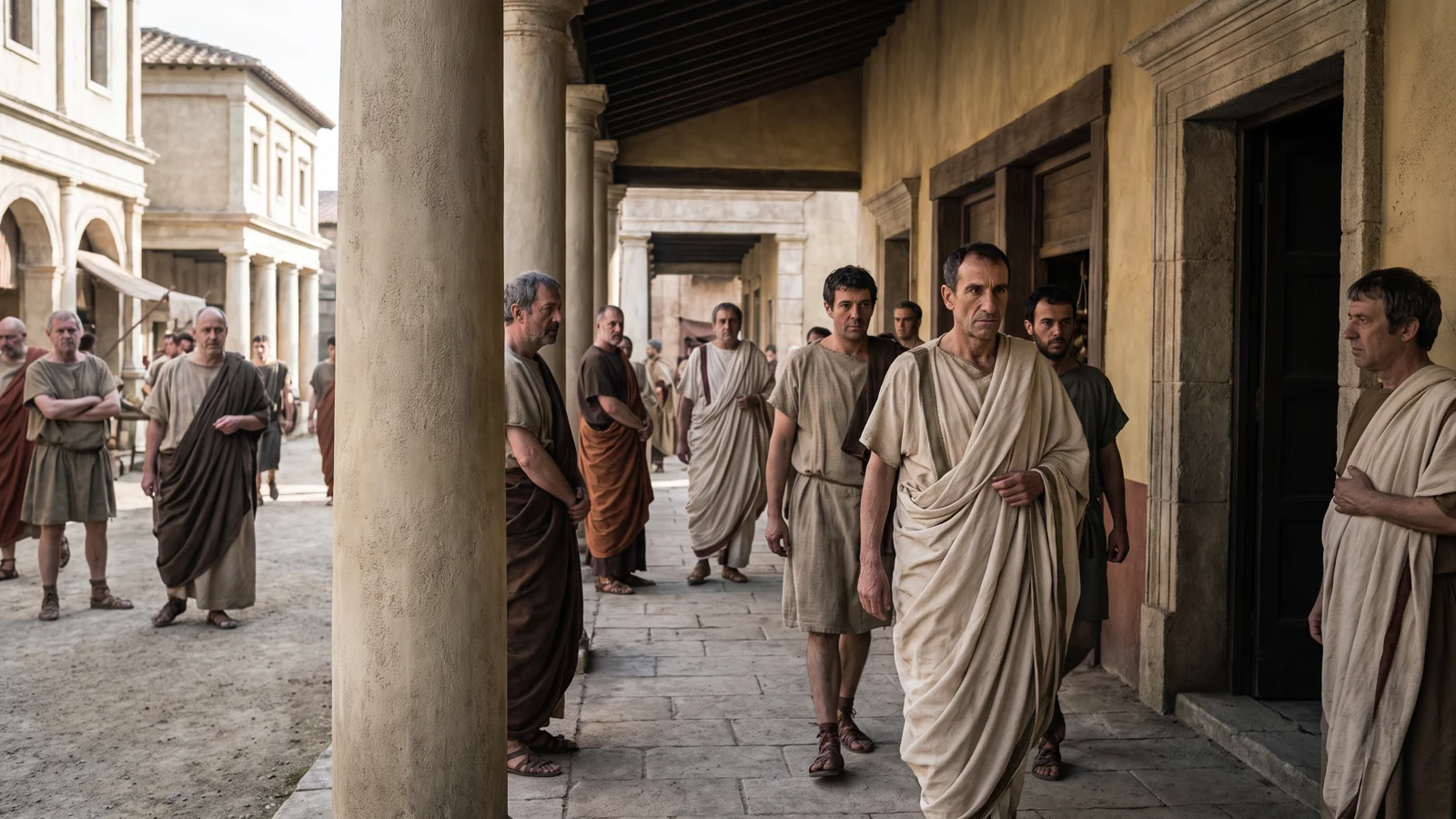
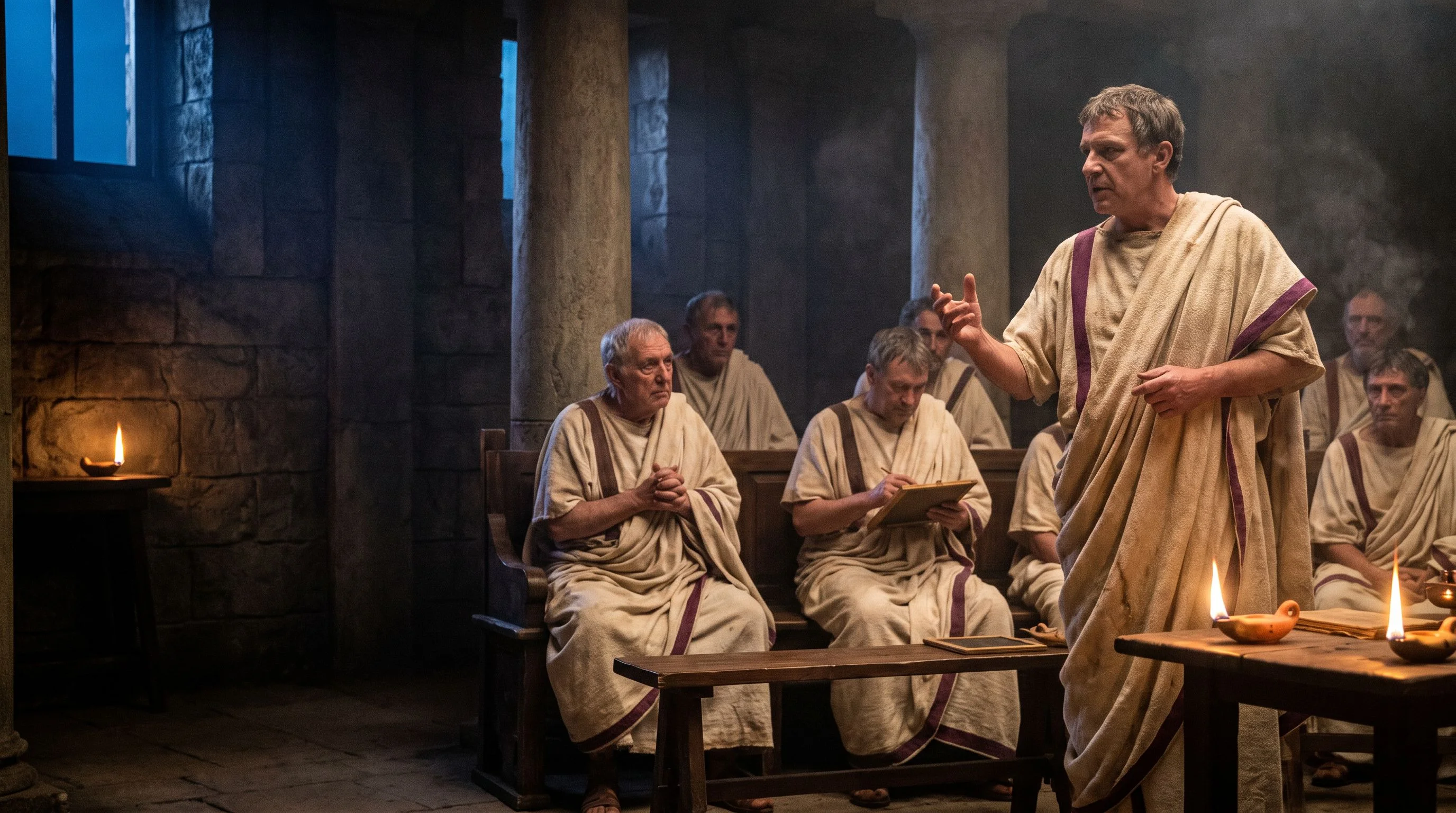
Caesar’s accumulated offices and honours raised fears that one man could permanently dominate the Republic. Ancient accounts describe hostility to signs of kingship alongside personal resentments and political rivalry. The conspiracy included men who had previously supported him. No single motive explains every participant, and later biographies shape the crisis around memorable warnings, omens and dramatic encounters.
Why the assassination did not restore the Republic
The conspirators could kill Caesar without agreeing on a durable political settlement. His supporters retained influence, while his adopted heir Octavian entered the contest for power. The resulting conflicts eventually led to Octavian’s dominance and the Augustan political order. The Ides therefore marks a rupture within the Republic’s transformation, rather than a successful return to its earlier balance of authority.
Questions people ask
Where was Julius Caesar assassinated?
At a Senate meeting in the Curia of Pompey, part of Pompey’s theatre complex. It was not the Senate house ordinarily associated with the Roman Forum.
What does “Ides of March” mean?
The Ides was a date in the Roman calendar, falling on 15 March. Its association with Caesar’s murder made an ordinary calendar term a lasting symbol of political betrayal.
Step into The Assassination of Julius Caesar
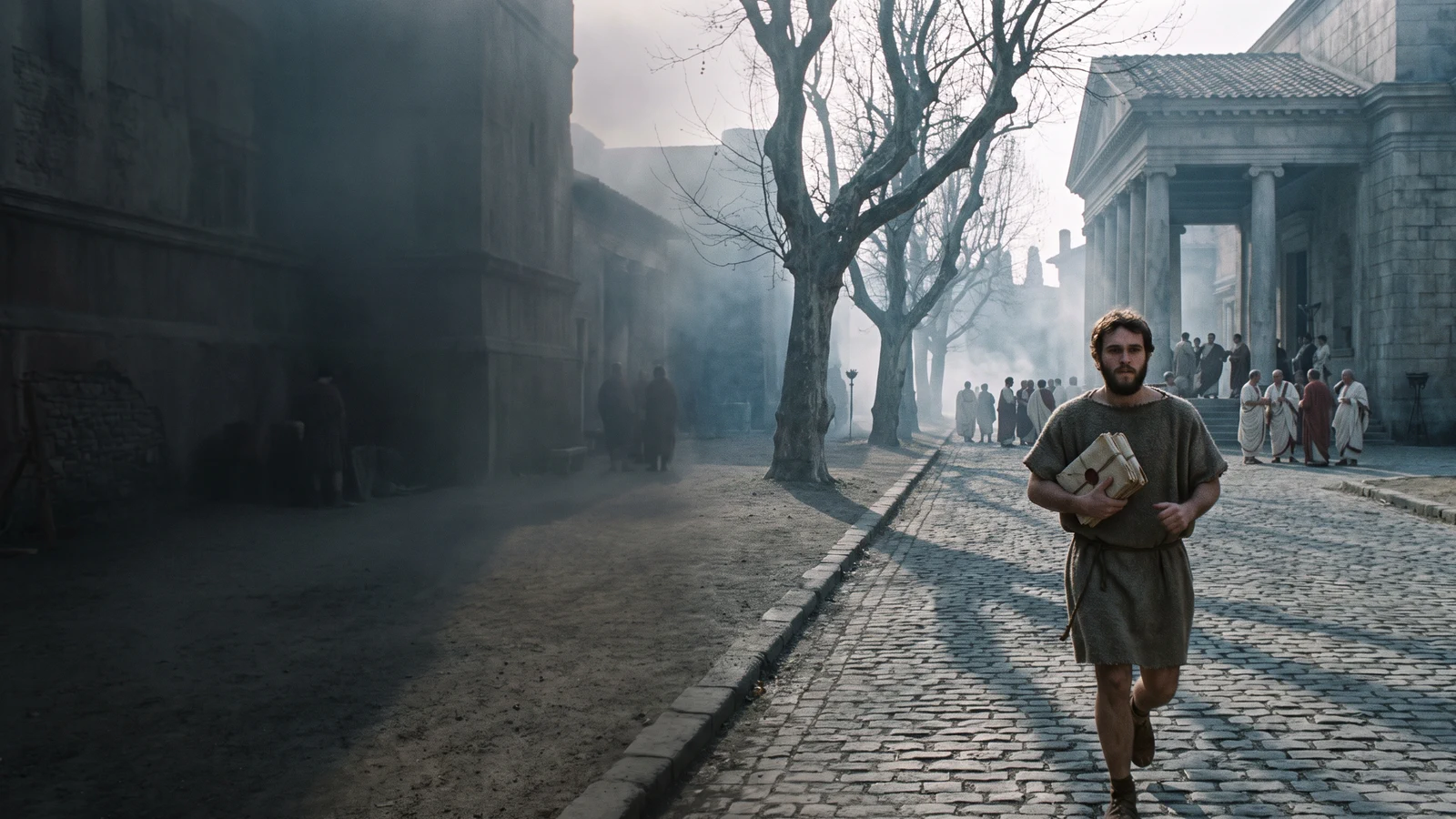
Carry messages through a city filled with rumor as Caesar’s final morning unfolds. Your choices concern the people you meet; the assassination remains the historical event.
This episode is a planned playable documentary. You can explore its narrated opening and make one decision now. The three acts below describe the full story in development. Once completed, it will be free for everyone.
- A morning of messages
- Rumors at the portico
- A city after Caesar
Sources and perspective
Ancient accounts reflect their authors’ positions and often disagree. These sources inform the historical summary; dialogue, player roles and imagery in the documentary may be dramatized.
- Suetonius · Julius Caesar 76–83
Honours, hostility, the assassination and Caesar’s will.
- Cassius Dio · Roman History 44
A later account of permanent dictatorship, the conspiracy and its political aftermath.
An original historical guide by The Age of Rome. Updated 14 September 2026.