The first dictatorship and the years of civil war
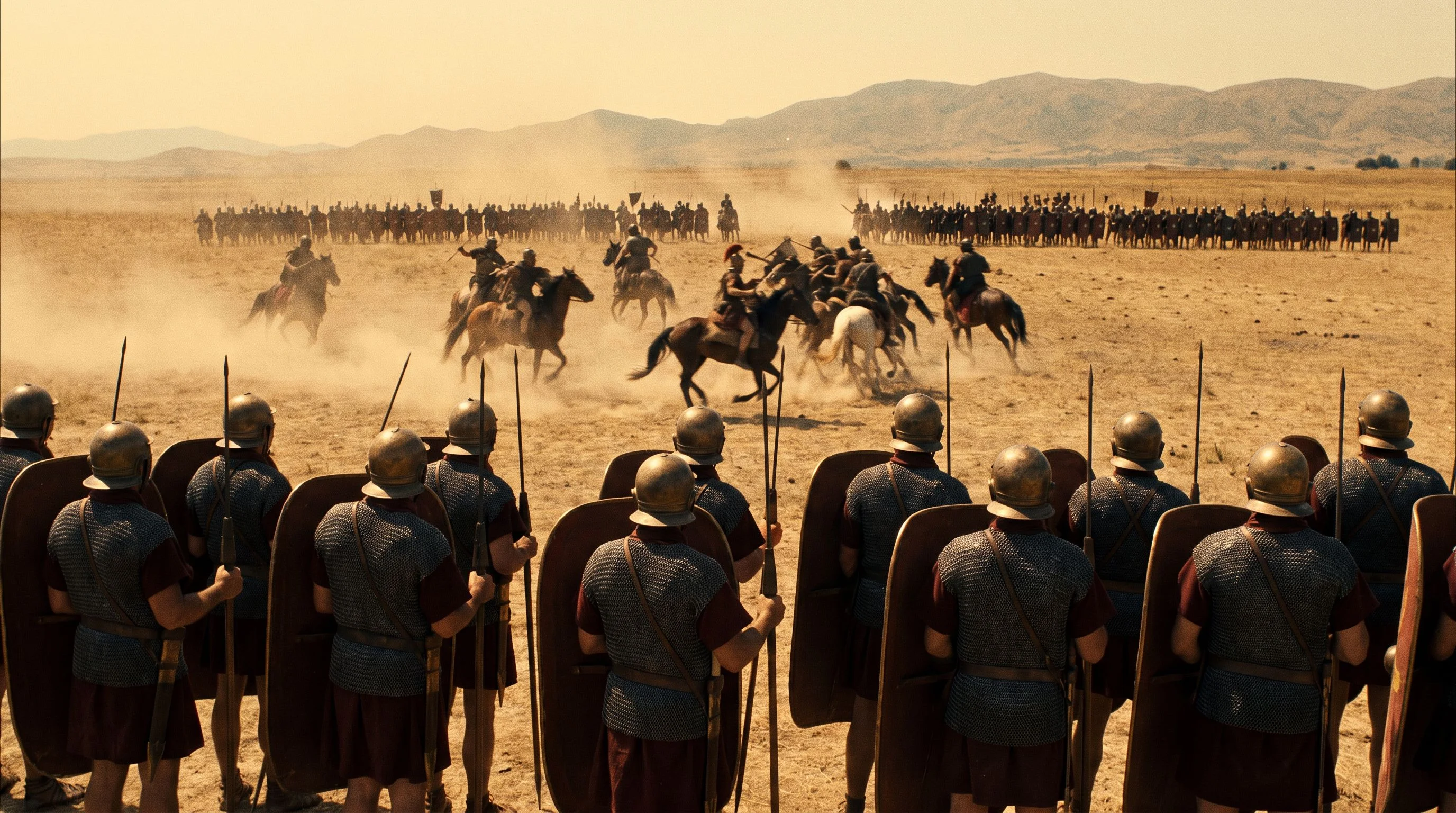
Caesar’s own Civil War describes him presiding over elections as dictator, addressing debts and the restoration of certain exiles, then resigning the office after eleven days. This episode belongs to late 49 BC, after the spring return to Rome. It must not be confused with the later appointment for life. Pharsalus, the fighting in Egypt and Africa, and the campaign in Spain followed within a longer struggle whose victories steadily narrowed the field of opposition.
Reform, honors, and permanent authority
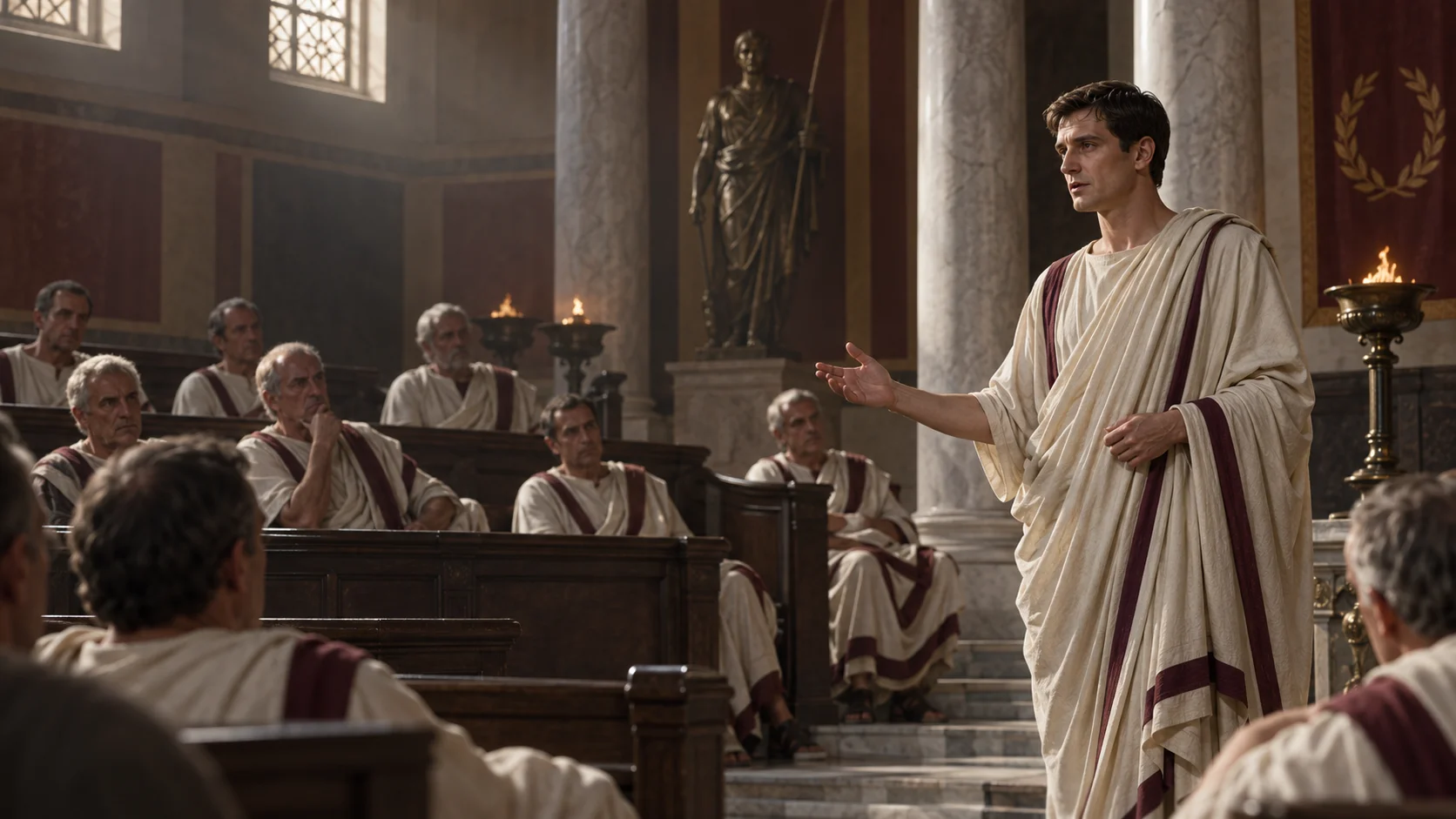
Suetonius records the calendar reform, colonial settlements, changes to the Senate, and measures concerning debts. These developments accumulated over several years; they were not all enacted on the day Caesar became dictator for life. Cassius Dio describes extravagant honors and the final permanent appointment in his account of 44 BC. Both authors wrote later, and their explanations of motive require caution. Their narratives nevertheless make visible a central problem: senators could continue to meet and magistrates could continue to serve while one man held an exceptional position above them.
Questions people ask
When did Caesar first become dictator?
His first brief dictatorship was in 49 BC. Caesar says he resigned after eleven days. His dictatorship for life belongs to early 44 BC, after further appointments and years of civil war.
Was Julius Caesar Rome’s first emperor?
Caesar was dictator for life. Augustus, formerly Octavian, is conventionally regarded as the first Roman emperor. The political settlement of 27 BC was a major stage in a longer transition to imperial rule.
Step into Caesar: Dictator for Life
The wars have brought you power. Rome now offers it without an end. Face the petitioners, weigh the Senate’s honors, and discover what happens to consent when no one can make you leave.
This episode is a planned playable documentary. You can explore its narrated opening and make one decision now. The three acts below describe the full story in development. Once completed, it will be free for everyone.
- Petitions after the wars
- Honors without a limit
- An office for life
Sources and perspective
Ancient accounts reflect their authors’ positions and often disagree. These sources inform the historical summary; dialogue, player roles and imagery in the documentary may be dramatized.
- Caesar · Civil War 3.1–2
Caesar’s account of elections, measures, and resignation during his first brief dictatorship.
- Suetonius · Julius Caesar 40–42, 76
A later biography describing reforms and the accumulation of offices and honors.
- Cassius Dio · Roman History 44.8
Dio’s later account of honors, senatorial resentment, and the dictatorship for life in 44 BC.
An original historical guide by The Age of Rome. Updated 14 September 2026.