Why Caesar built two lines of siege works
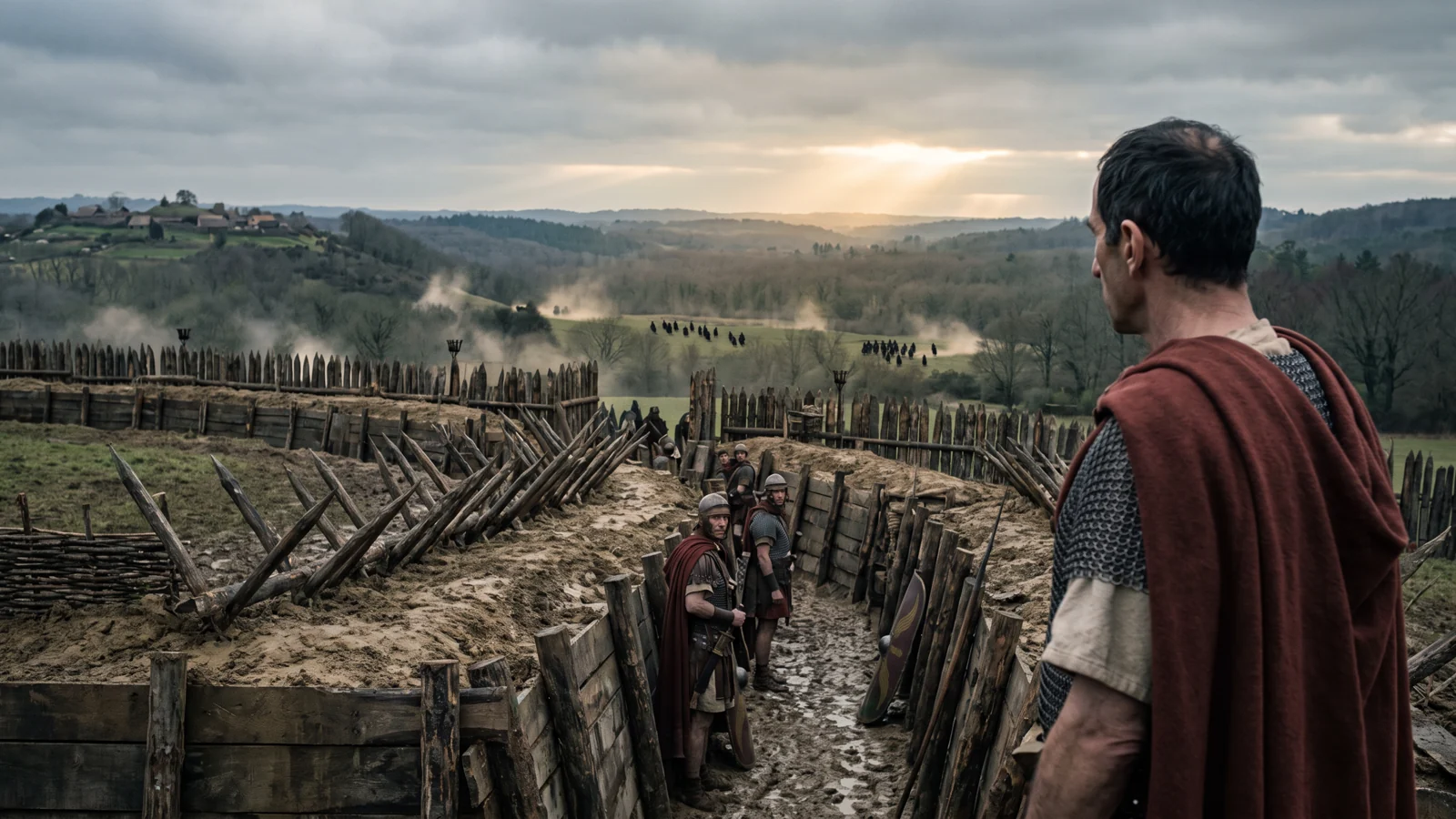
Caesar’s Gallic War describes an inner line designed to contain Alesia and an outer line facing the approaching relief army. Camps, ditches, obstacles and reserves connected the defensive system. During the final attacks, Roman units had to move between threatened positions. Holding the works meant managing pressure from two directions while the besieged population faced dwindling food.
What Alesia meant for Caesar’s political future
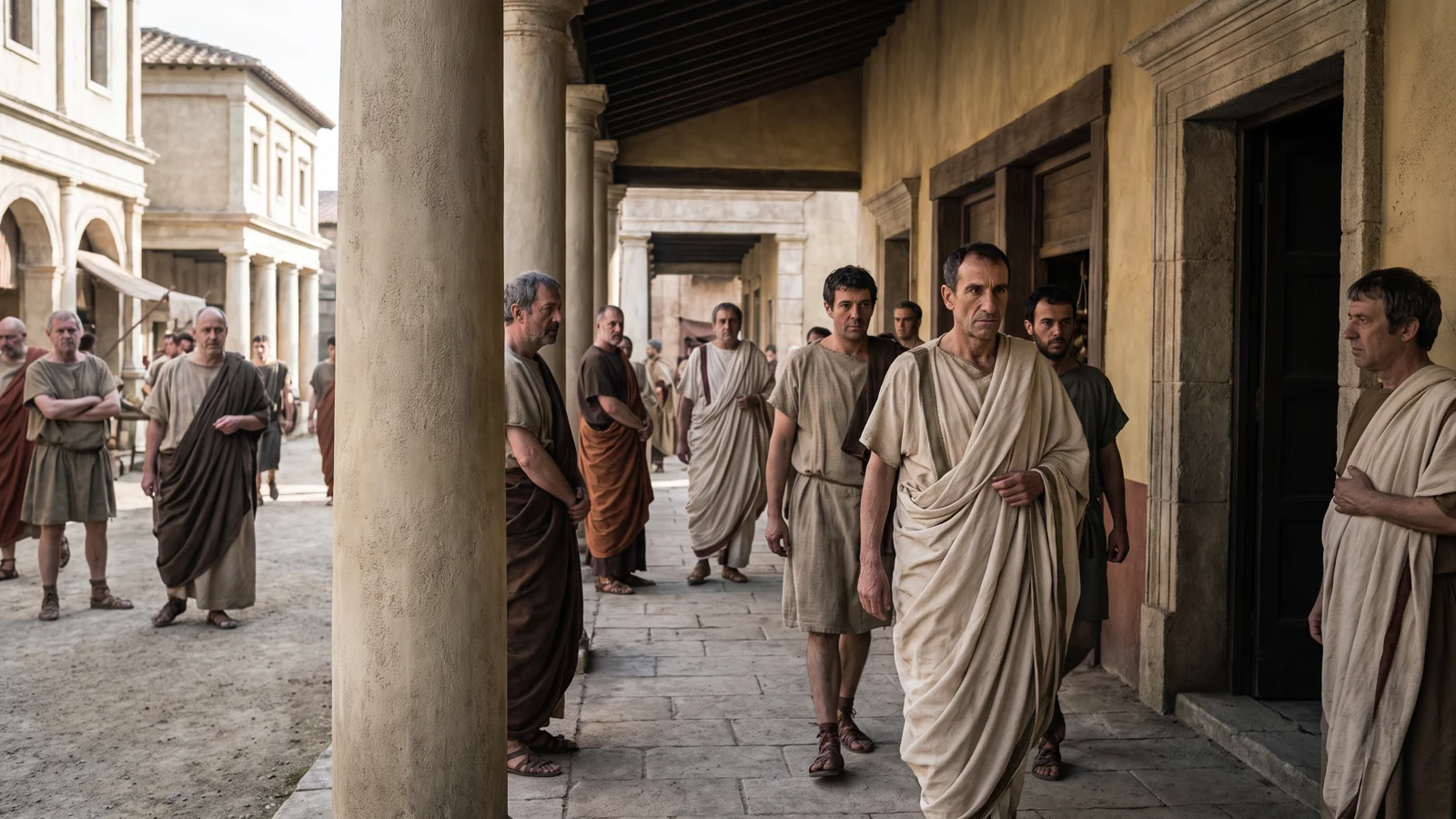
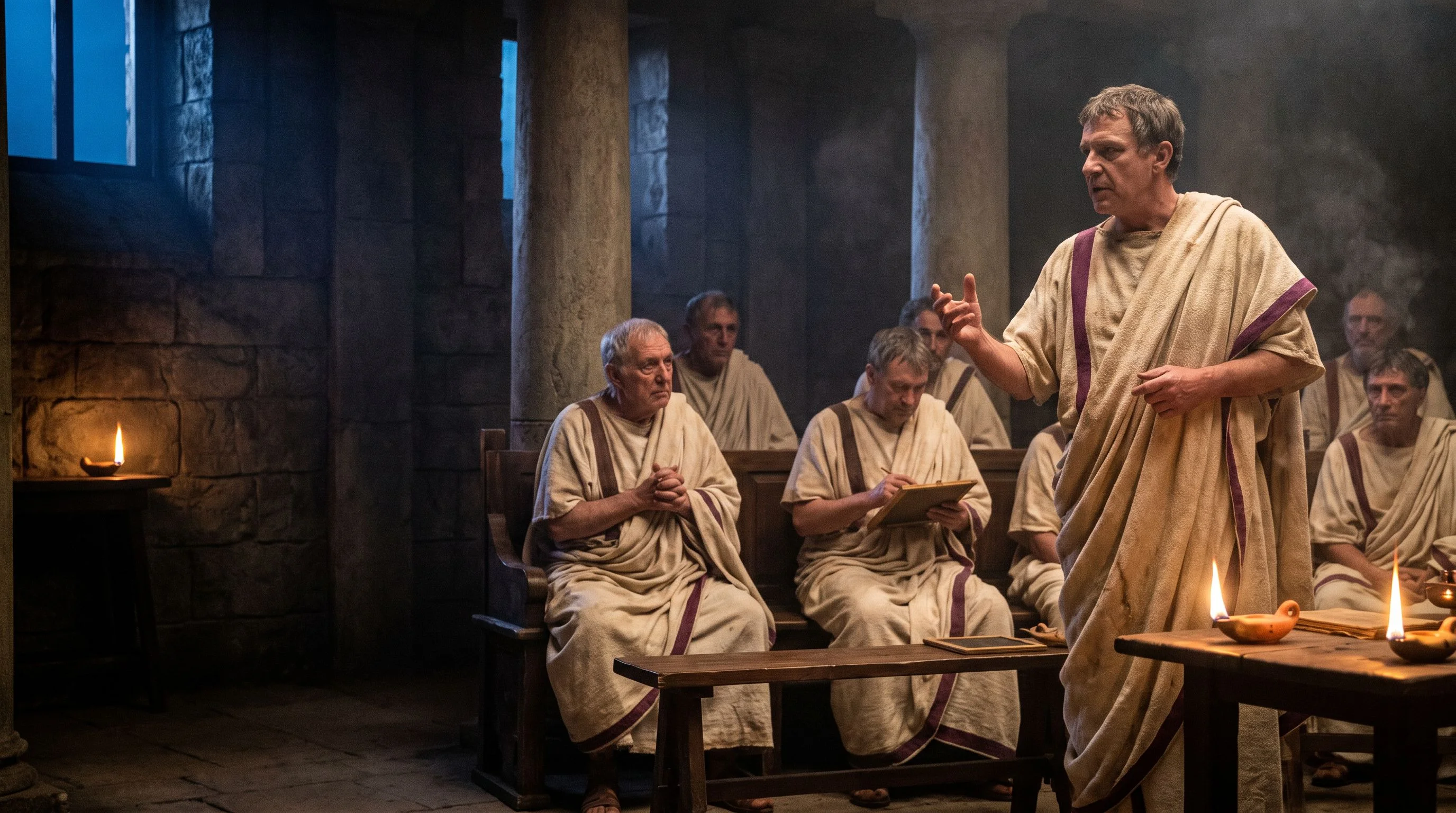
Vercingetorix surrendered, many captives were distributed as plunder, and Rome celebrated Caesar’s victory. Further campaigns followed in Gaul. The larger political crisis concerned Caesar’s approaching loss of command and his rivalry with Pompey. Alesia helped build his prestige, but the decision to cross the Rubicon came three years later, after disputes over armies and office defeated attempts at agreement.
Questions people ask
Did Alesia make Julius Caesar emperor?
No. Alesia was a victory in Gaul in 52 BC. Caesar’s civil war began in 49 BC; his dictatorship for life belonged to 44 BC. Augustus became Rome’s first emperor.
Is Caesar’s account of Alesia reliable?
It is essential evidence from the Roman commander, especially for the siege works and sequence of attacks. His political interests, casualty figures and portrayal of opponents still require scrutiny.
Step into Caesar: The Siege of Alesia
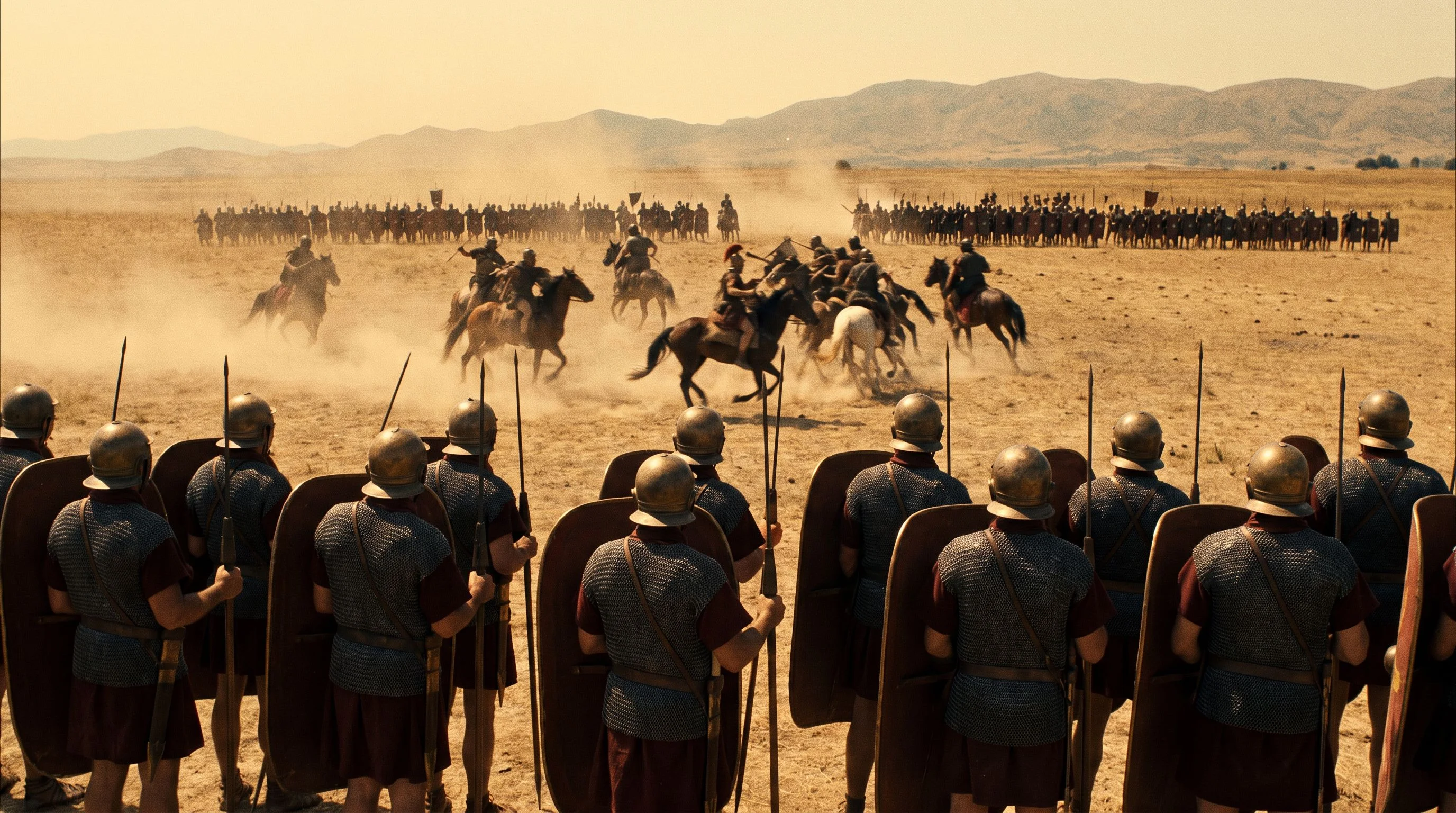
An army behind you. Another on the horizon. Hold the siege lines, move your cohorts, and choose when to send the cavalry. Then watch Alesia surrender—and follow Caesar toward a divided Rome.
Explore this moment through a short, bounded mission, cinematic scenes and narrated historical context. Your decisions shape the dramatized experience; the historical outcome is explained separately.
- Prepare the defenses
- Face the relief army
- Witness the surrender
Desktop browser recommended. JavaScript and WebGL are needed for gameplay. This history page can be read without either.
Sources and perspective
Ancient accounts reflect their authors’ positions and often disagree. These sources inform the historical summary; dialogue, player roles and imagery in the documentary may be dramatized.
- Caesar · Gallic War 7.68–74
The siege setting, fortifications, supply crisis and approaching relief force.
- Caesar · Gallic War 7.85–90
The final assaults, surrender, captives and public thanksgiving.
- Caesar · Civil War 1.1–11
Caesar’s defence of his position during the later dispute over command.
An original historical guide by The Age of Rome. Updated 14 September 2026.