Roman history.
Yours to play.
Explore the events that shaped the Roman world through free browser games, cinematic scenes and narrated history. Begin with Caesar at Alesia, then enter the divided streets of Rome.
Play the free openingThe Roman chronicle.
Two episodes are free to play. 19 upcoming episodes have interactive narrated openings and historical guides. Try a preview and help shape what we build next.
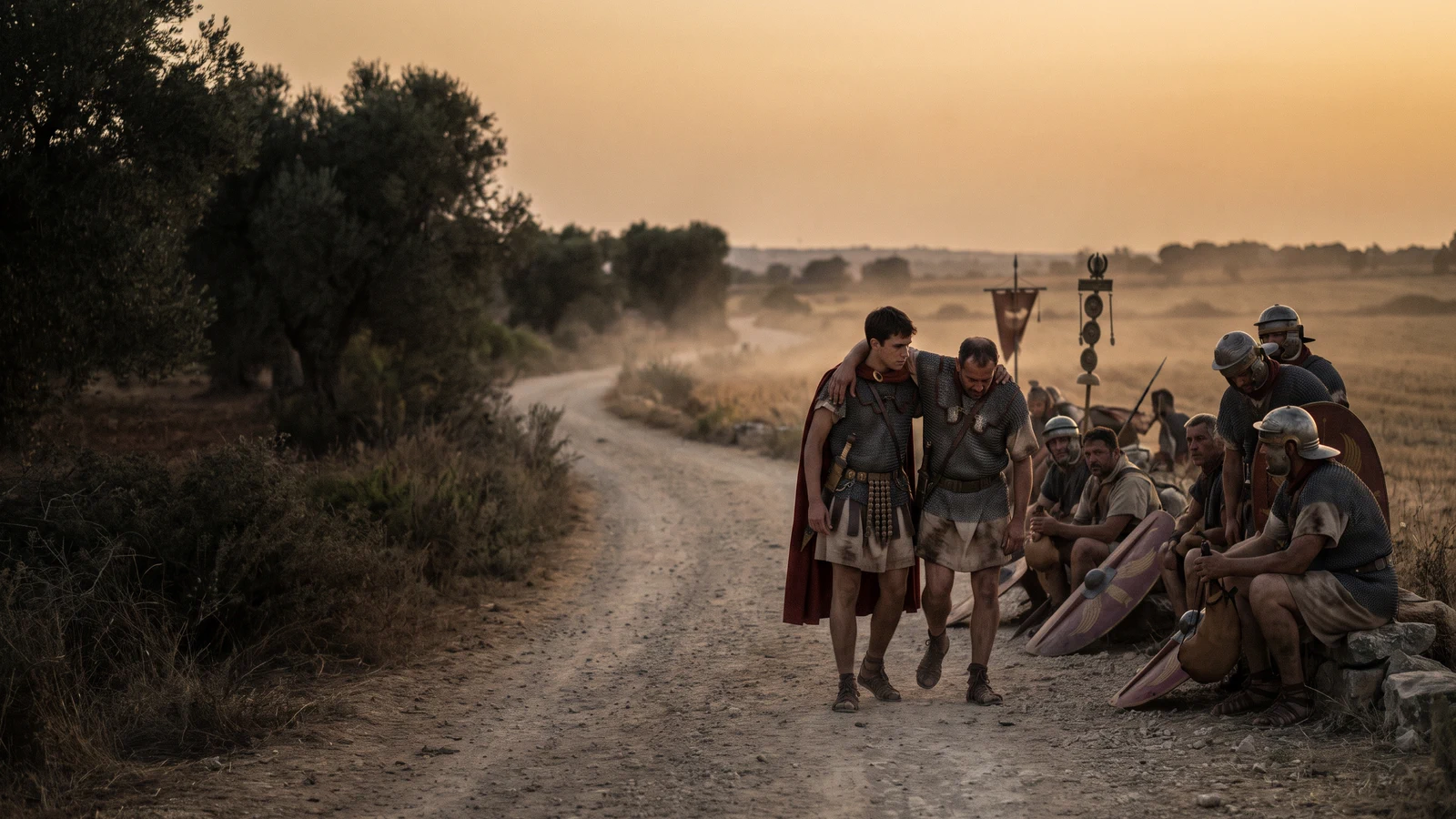
Cannae: After the Battle
In 216 BC, Hannibal destroyed a much larger Roman army near Cannae in southern Italy. The battle became the most famous example of surrounding an enemy on both sides. Yet Rome did not surrender. Understanding Cannae means following both the movements that trapped the Roman infantry and the survivors who faced a war that was far from over.
Explore the history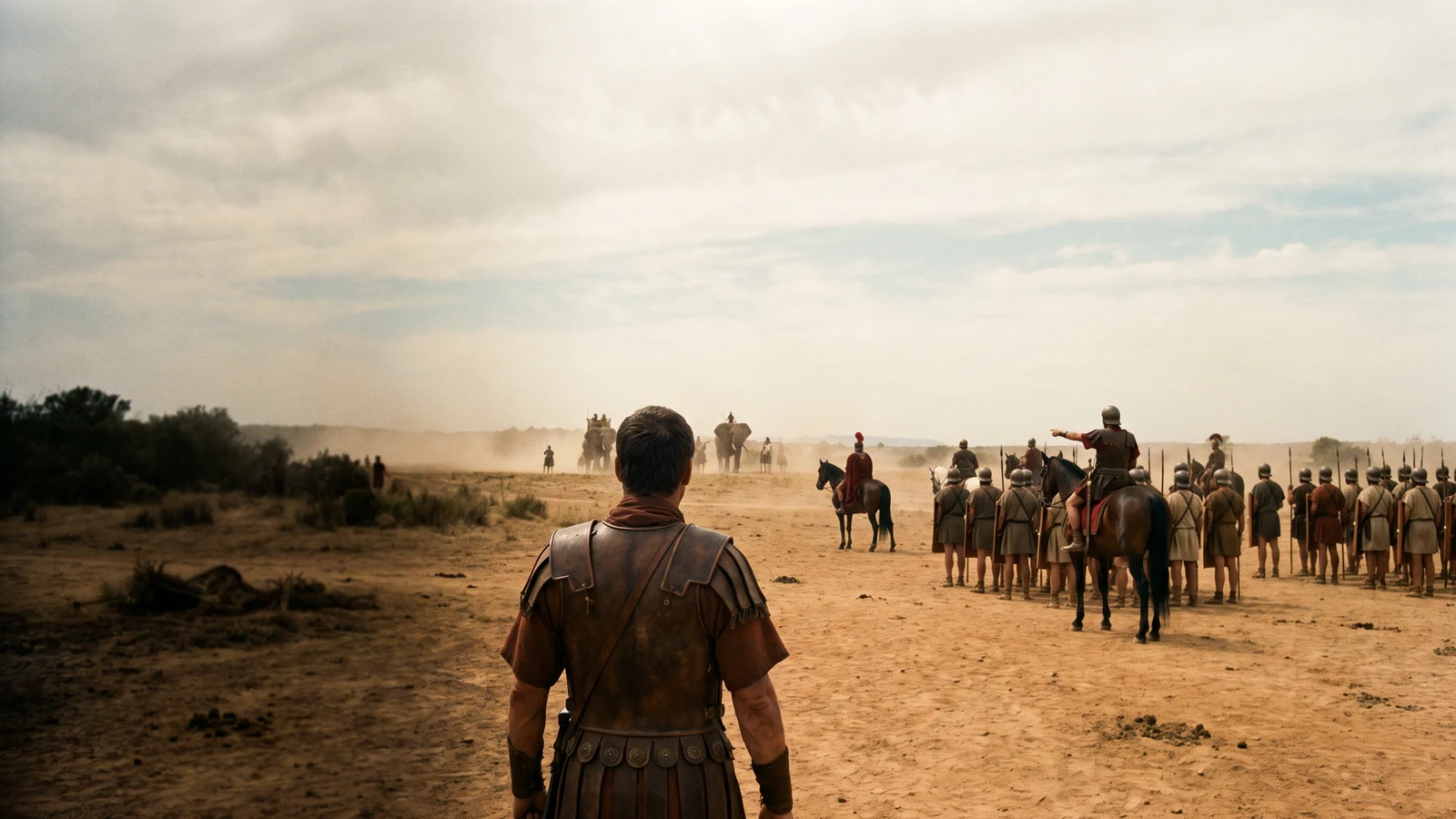
The Battle of Zama
At Zama in North Africa in 202 BC, Scipio’s Roman army and its Numidian allies defeated Hannibal. Years after Cannae, the fighting had reached Carthage’s own territory. The encounter combined elephants, determined infantry and a decisive cavalry return. It brought the Second Punic War toward a settlement that sharply restricted Carthage’s freedom to wage war.
Explore the history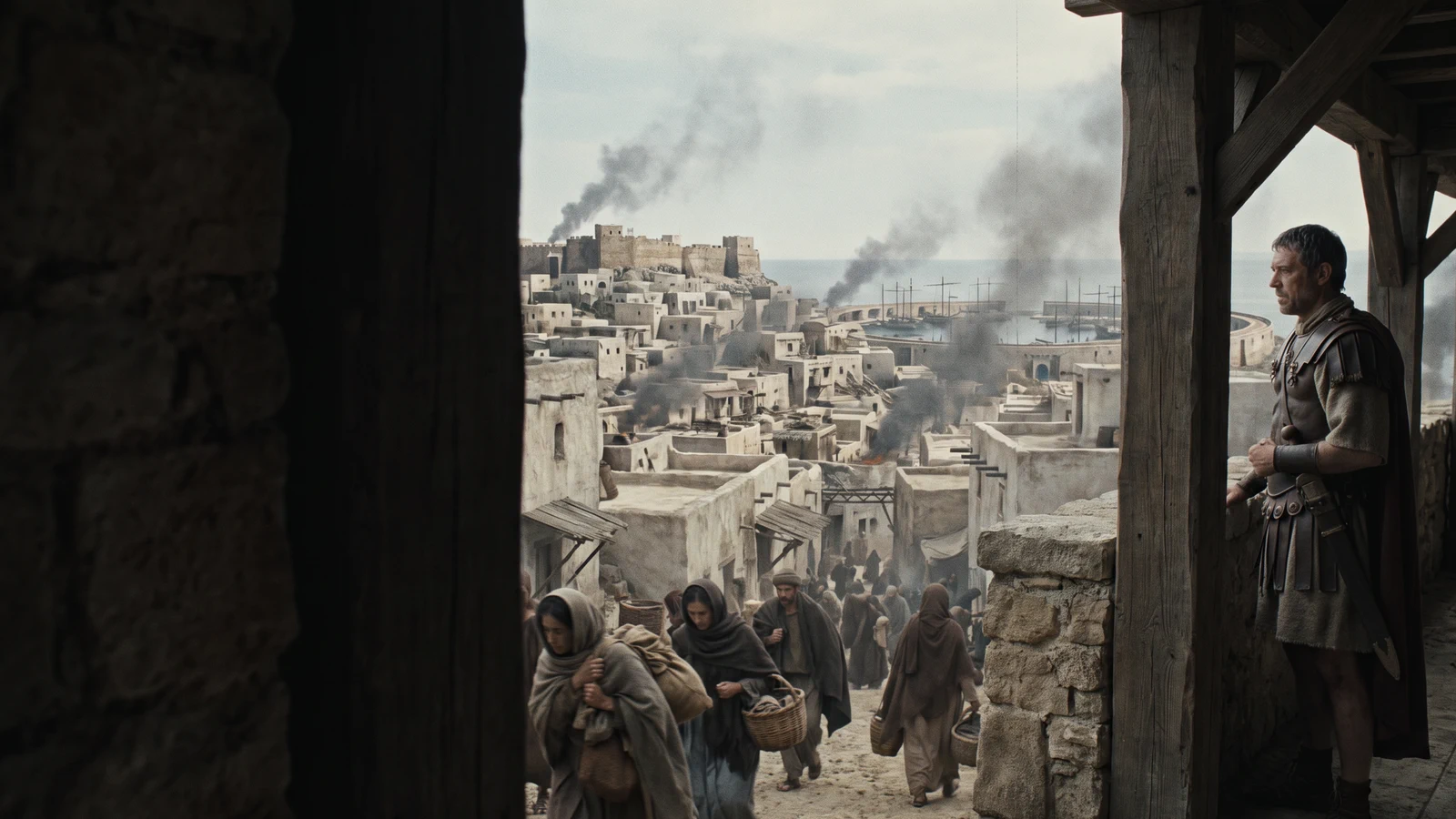
The Fall of Carthage
Carthage fell to a Roman army under Scipio Aemilianus in 146 BC, ending the Third Punic War. This was a different Scipio and a different war from Hannibal’s defeat at Zama. The final assault moved from the harbour into crowded streets and the Byrsa citadel, turning Rome’s long rivalry with Carthage into the destruction of a city.
Explore the history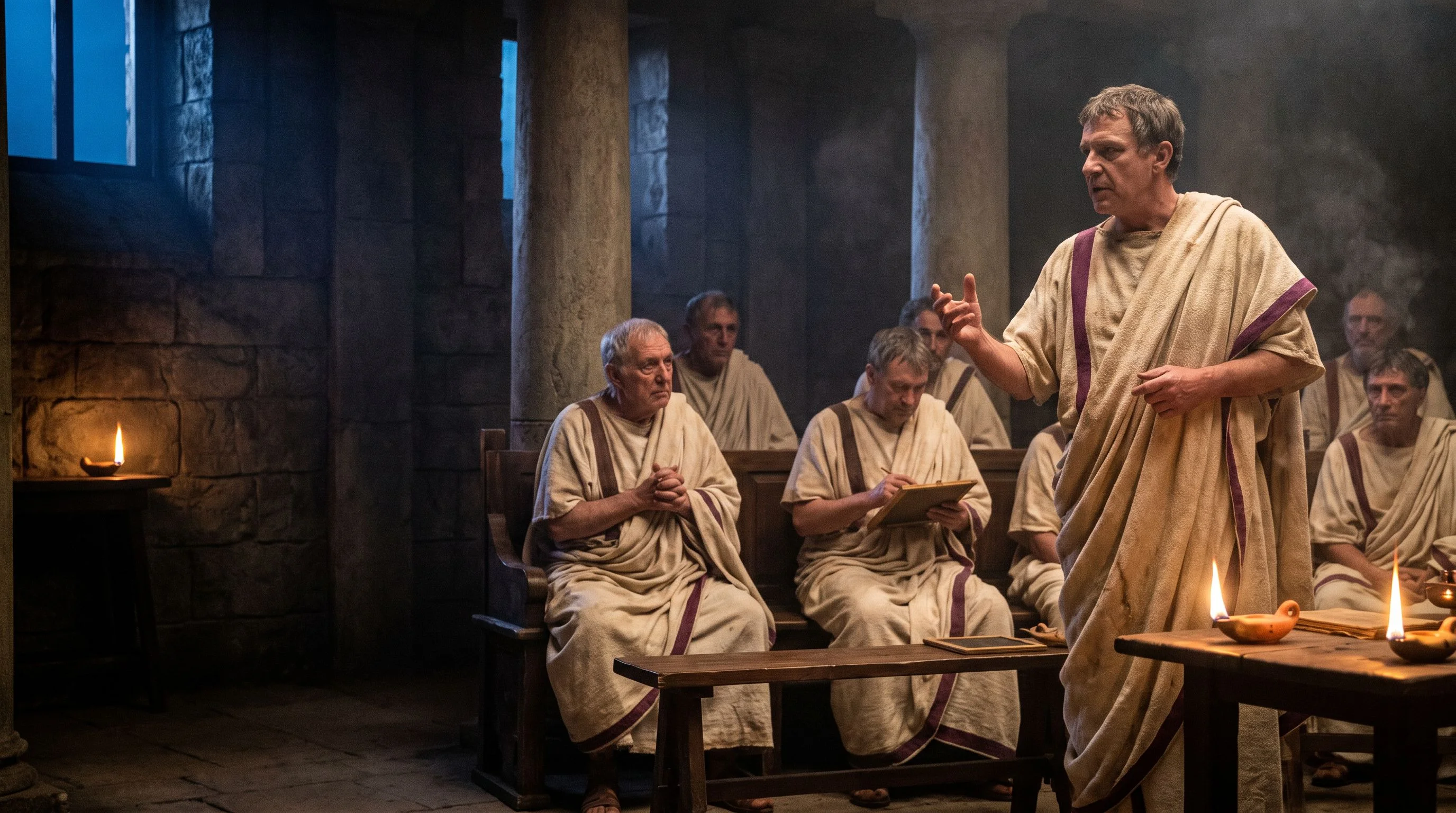
Cicero and the Catiline Conspiracy
In 63 BC, the consul Cicero accused Lucius Sergius Catilina, known as Catiline, of organizing a violent conspiracy against the Roman state. The crisis brought together debt, frustrated political ambition and fear of armed revolt. It also exposed a difficult question for the Republic: what could its leaders do to citizens they believed threatened its survival?
Explore the history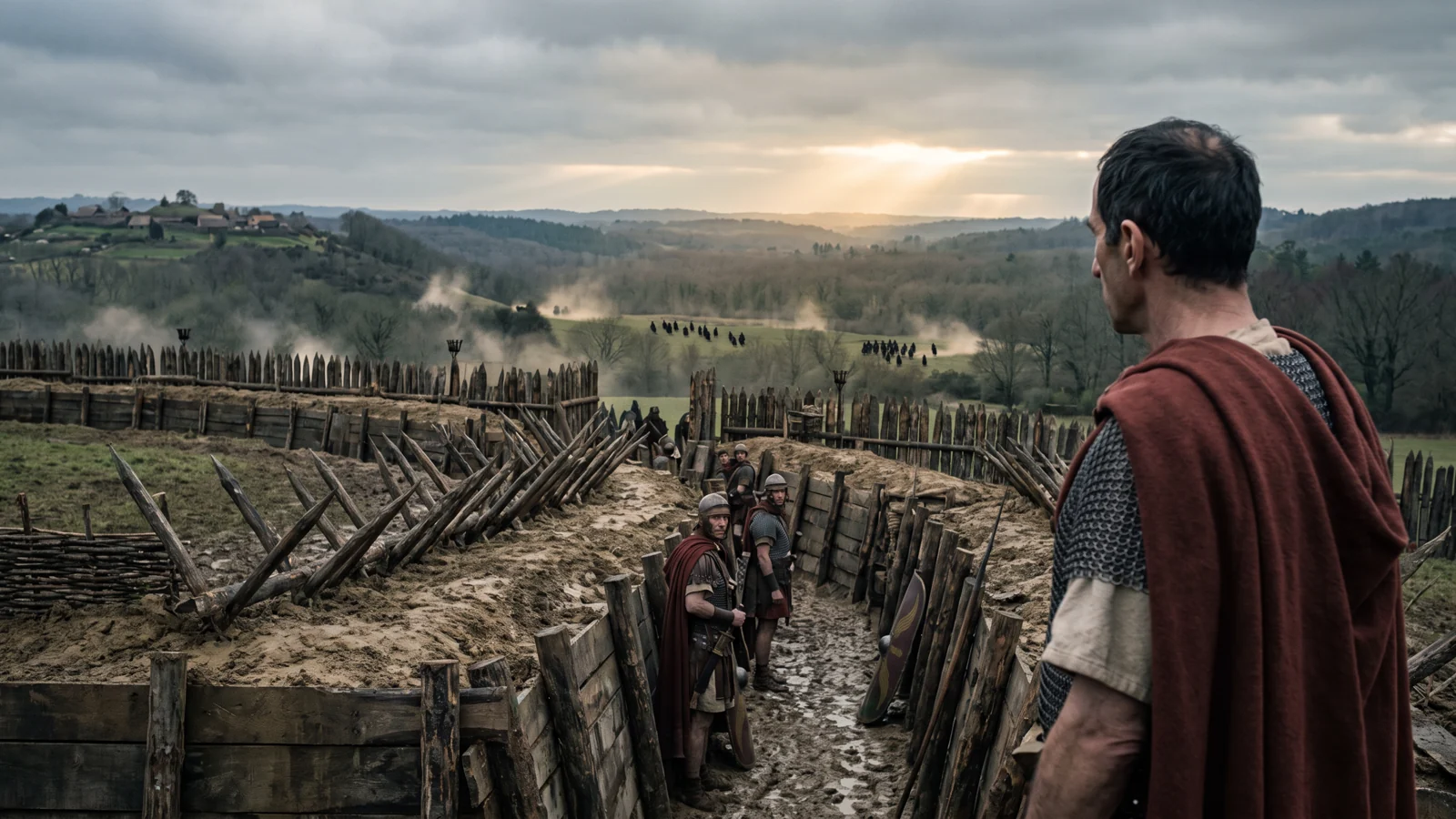
Caesar: The Siege of Alesia
In 52 BC, Julius Caesar surrounded Vercingetorix and his army at Alesia in Gaul. When a relief force approached, the Romans faced enemies inside their siege lines and outside them. Their victory broke a major Gallic coalition, strengthened Caesar’s reputation and came at an enormous human cost. It did not immediately end resistance or make Caesar ruler of Rome.
Explore the history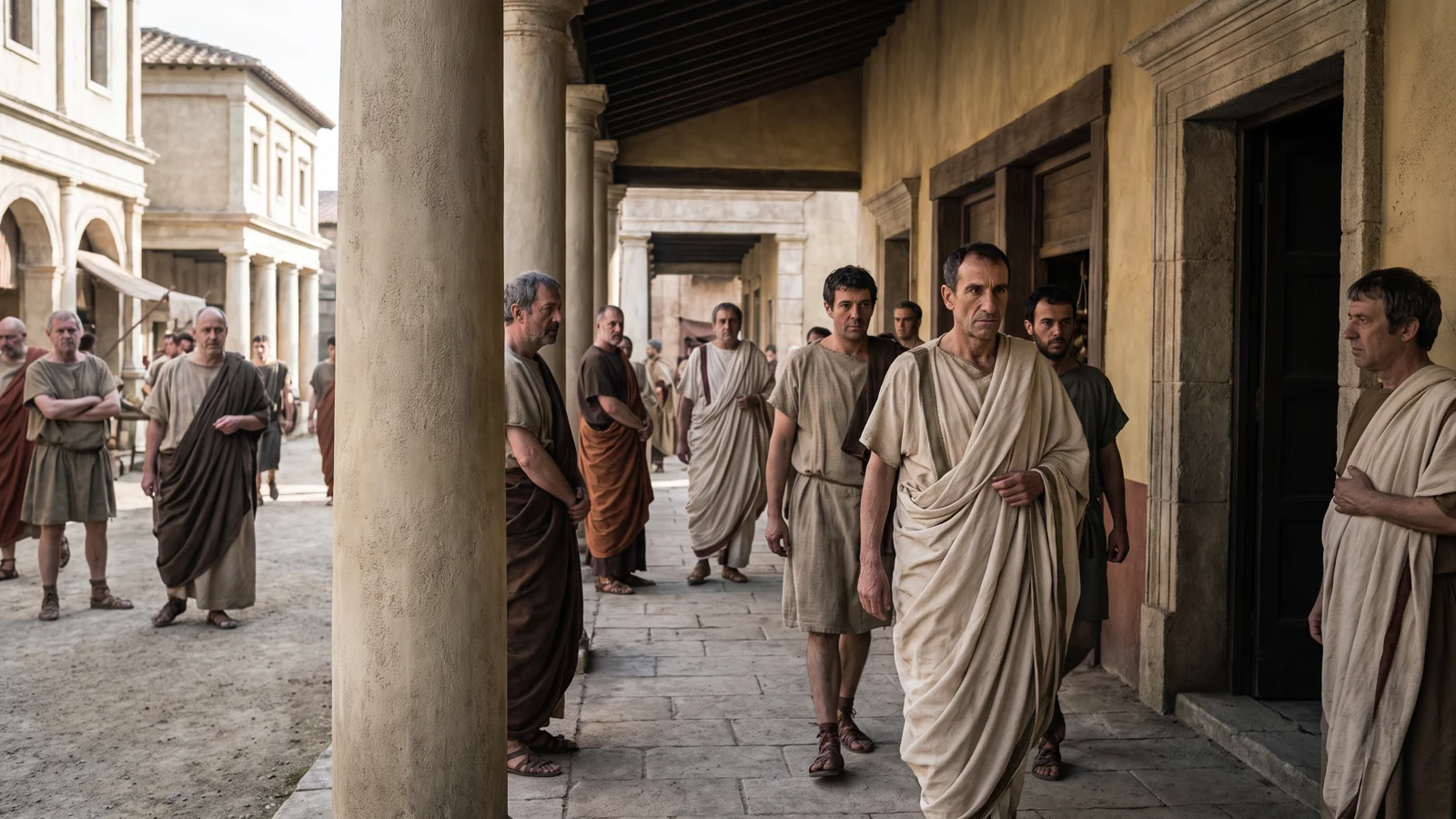
Caesar: Return to Rome
Caesar returned to Rome in spring 49 BC after crossing the Rubicon and beginning a civil war. Pompey had left Italy, but his armies and political allies remained a powerful opposition. Control of the capital did not give Caesar uncontested authority. His brief stay exposed tensions between military necessity, republican institutions and his public promises of restraint.
Explore the history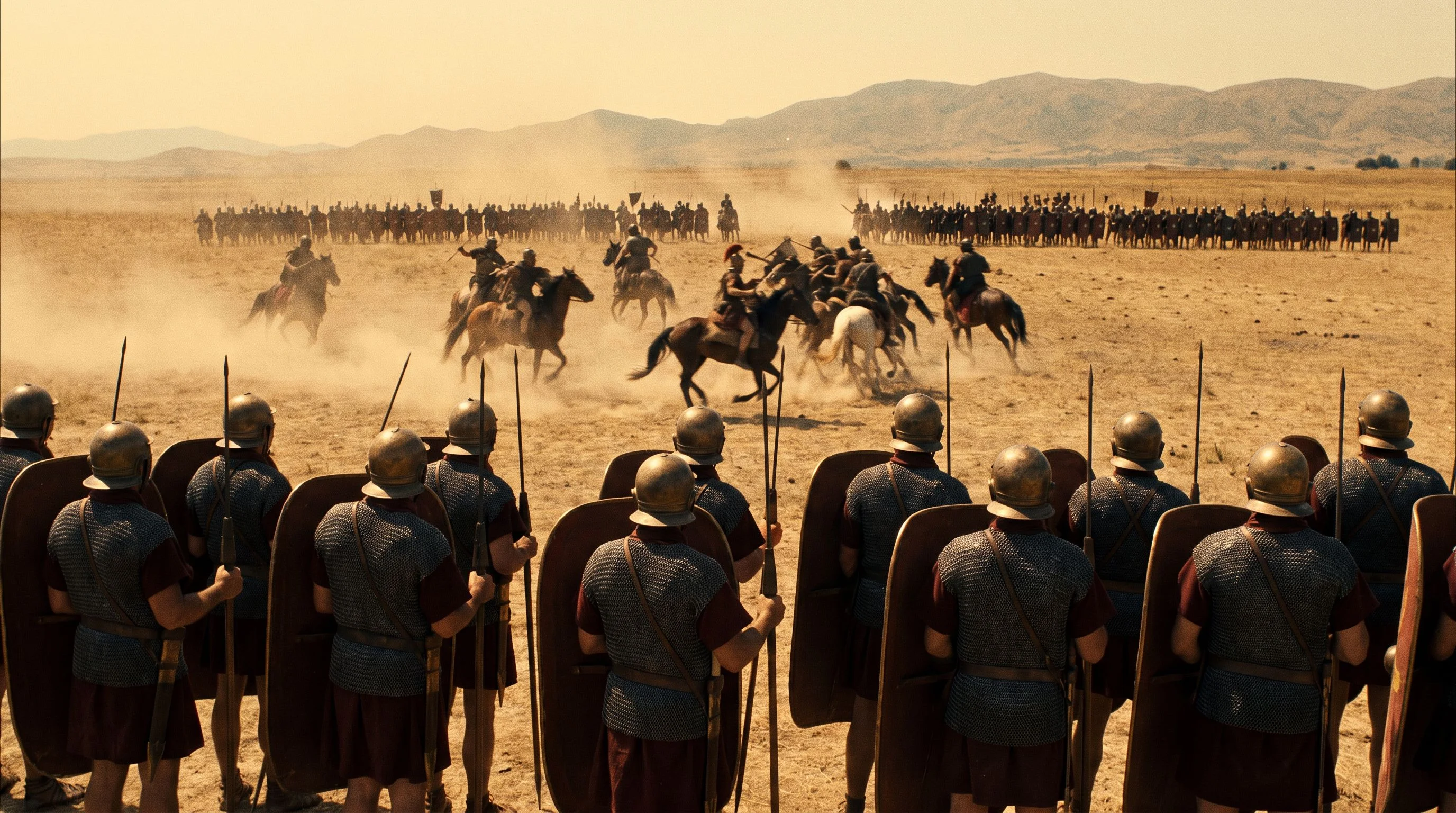
The Battle of Pharsalus
At Pharsalus in Thessaly in 48 BC, Caesar defeated Pompey in the central battle of their civil war. Pompey had the larger army and superior cavalry numbers, while Caesar relied on experienced troops and a carefully placed reserve. The victory drove Pompey toward Egypt, but it did not immediately bring peace to the Roman world.
Explore the history
Cleopatra
In 48 BC, Cleopatra VII was a queen without a capital. Forced out of Alexandria by her brother Ptolemy XIII’s court, she raised support on Egypt’s eastern frontier while Rome’s civil war arrived at her door. Her decision to reach Julius Caesar inside the palace — and the alliance that followed — restored her to the throne she would hold for nearly two more decades. The famous stories about her entrance survive only in much later accounts.
Explore the history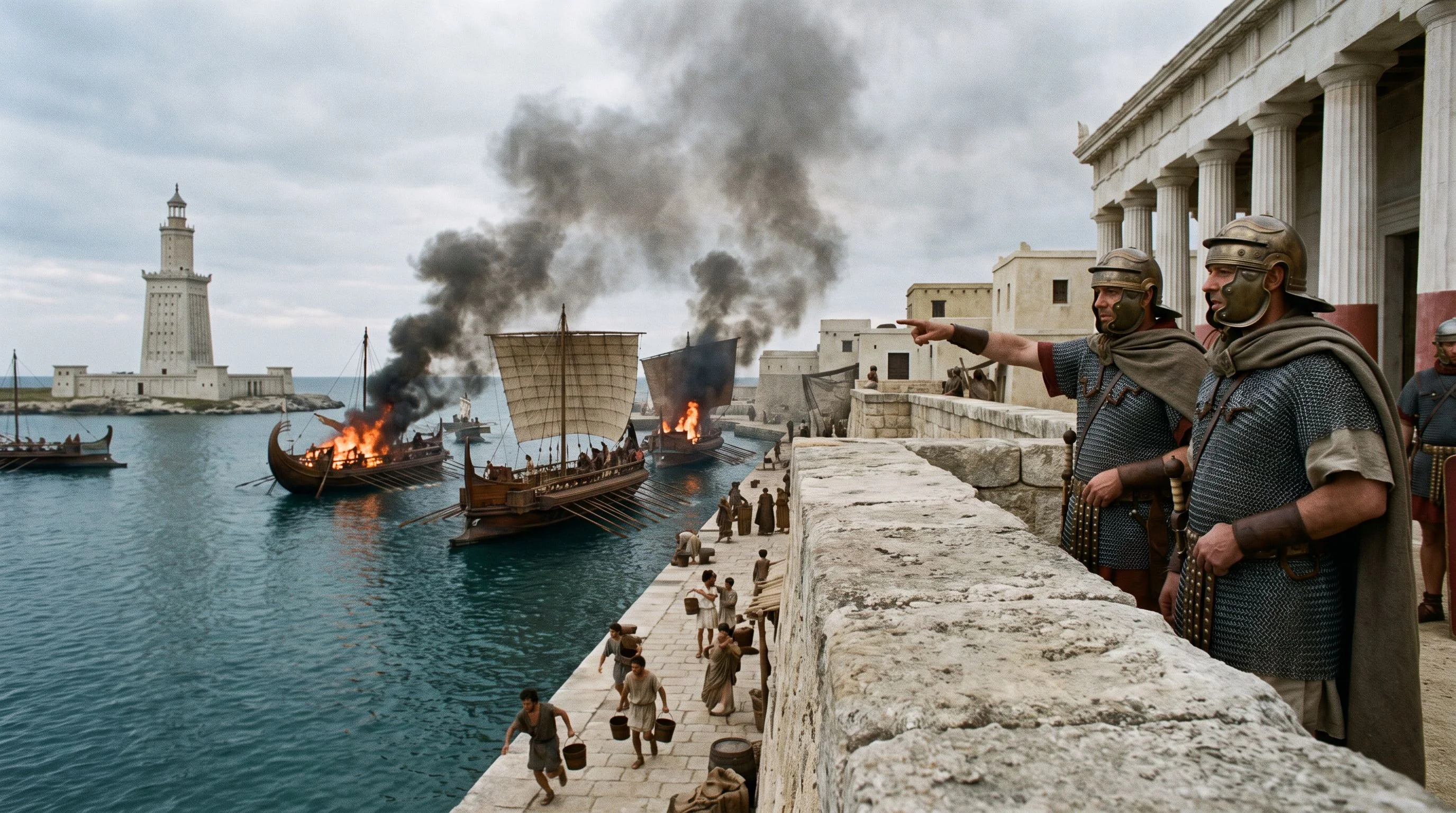
Caesar and Cleopatra: The Alexandrian War
The Alexandrian War of 48–47 BC connected Rome’s civil war with a struggle for Egypt’s throne. Caesar arrived after Pompey’s defeat and death, then became entangled in the conflict between Cleopatra VII and Ptolemy XIII. With a limited force in Alexandria, he faced pressure in the palace quarter, at the harbour and along the city’s vital supply routes.
Explore the history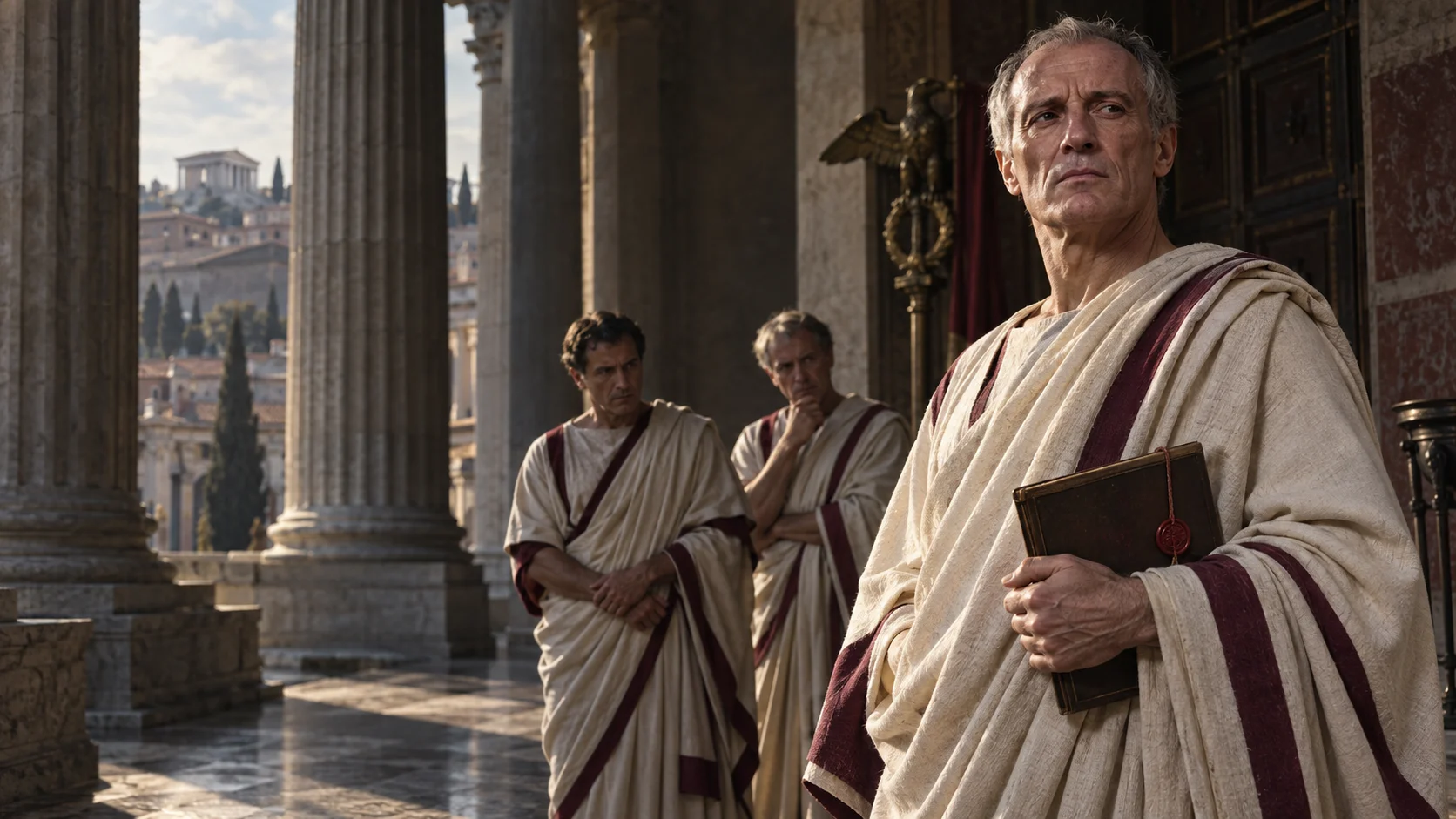
Caesar: Dictator for Life
Julius Caesar did not become dictator just once. His first brief tenure in 49 BC belonged to the opening year of civil war. Later appointments accompanied his victories and the concentration of authority in his hands. In early 44 BC he accepted the dictatorship for life. The crucial change was the removal of an expected end to his tenure, deepening the tension between personal rule and the Republic’s institutions.
Explore the history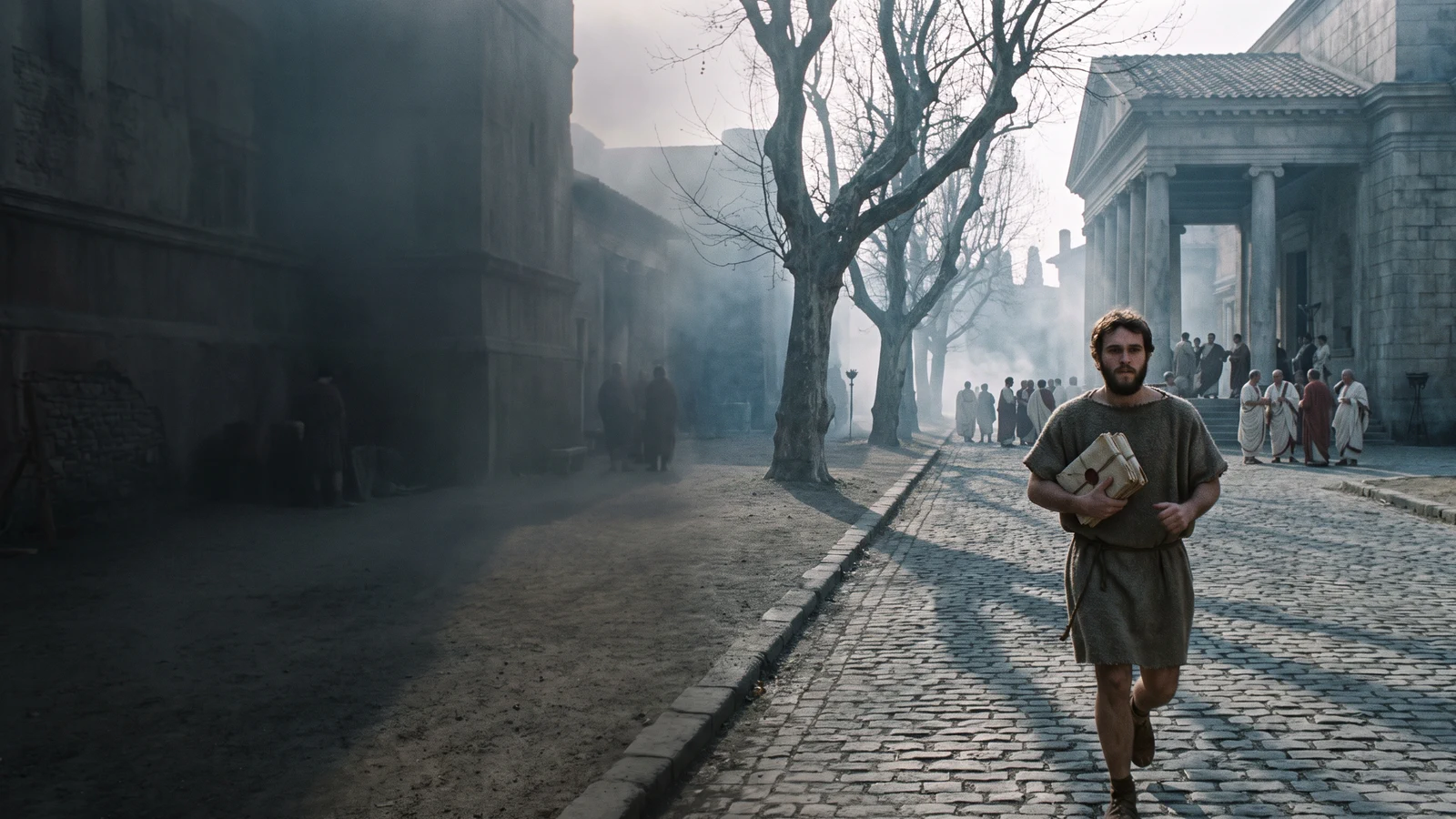
The Assassination of Julius Caesar
On 15 March 44 BC, a group of conspirators killed Julius Caesar during a Senate meeting in Pompey’s theatre complex in Rome. Caesar had recently become dictator for life. The assassins presented their act as a defence of republican liberty, but removing him did not restore stable government. His death opened a new struggle over his power, supporters and legacy.
Explore the history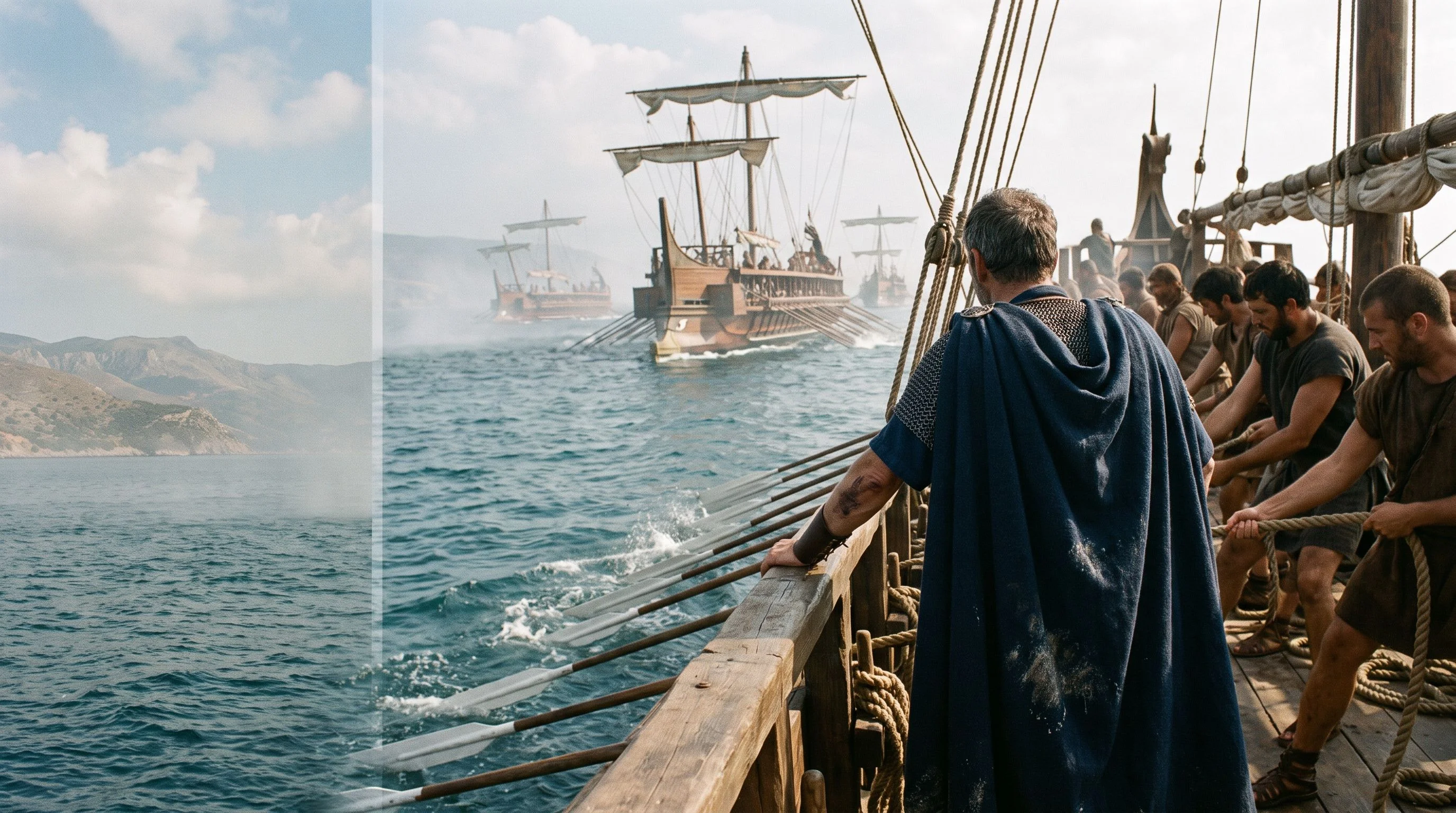
The Battle of Actium
In 31 BC, Octavian’s forces confronted the fleet of Mark Antony and Cleopatra near Actium in western Greece. Agrippa’s operations had helped put their opponents under pressure before the fleets met. The battle and the collapse that followed turned the contest for Roman supremacy decisively toward Octavian. Egypt remained to be conquered, and Augustus was still a title of the future.
Explore the history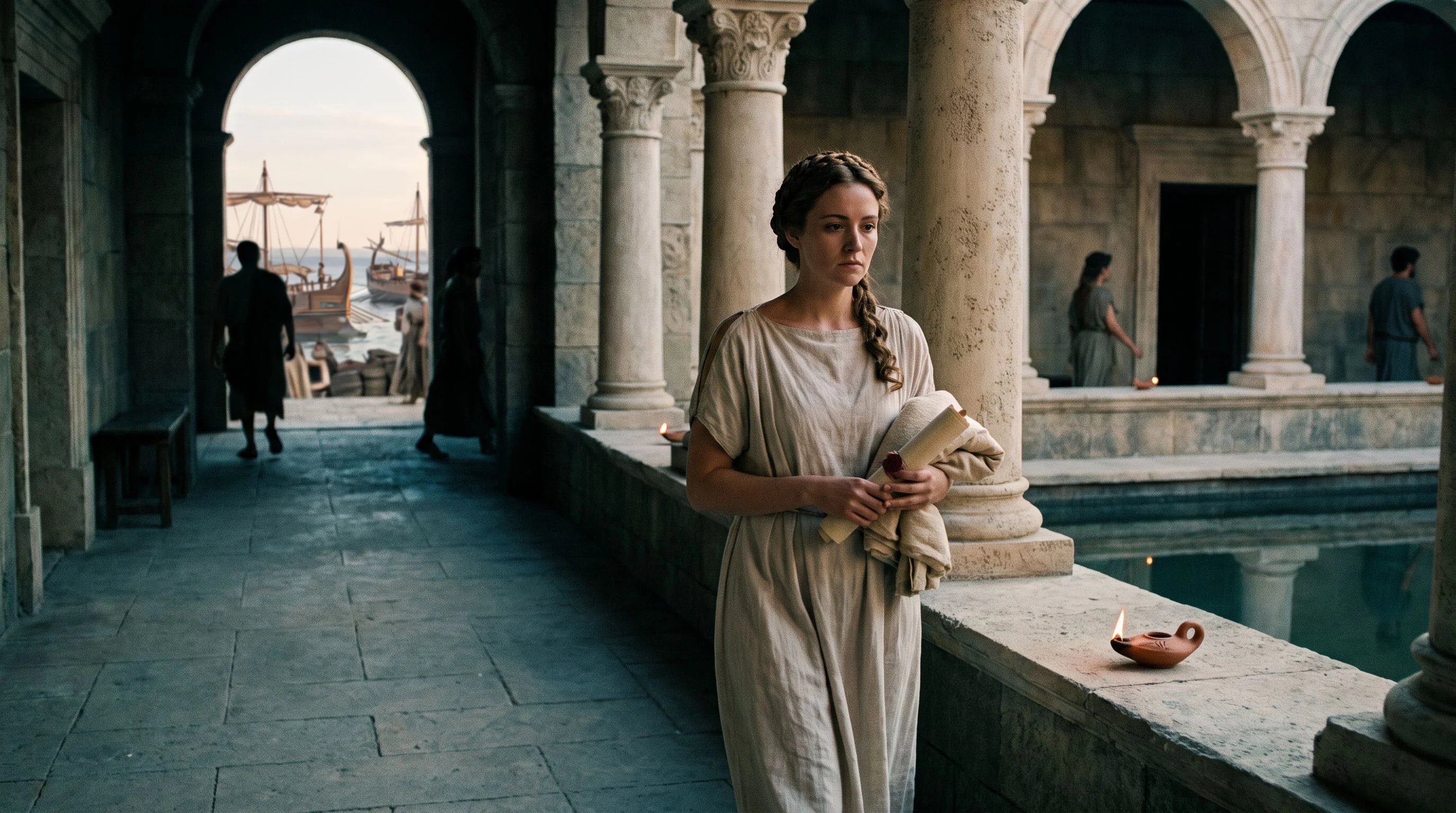
The Death of Cleopatra
In 30 BC, Octavian’s advance on Alexandria brought the struggle with Antony and Cleopatra to its conclusion. Defeat at Actium the previous year had weakened their military position. Antony died, Cleopatra lost her kingdom and Egypt passed into Roman rule. The familiar story of the queen’s final moments survives through later accounts shaped by drama and the victors’ political world.
Explore the history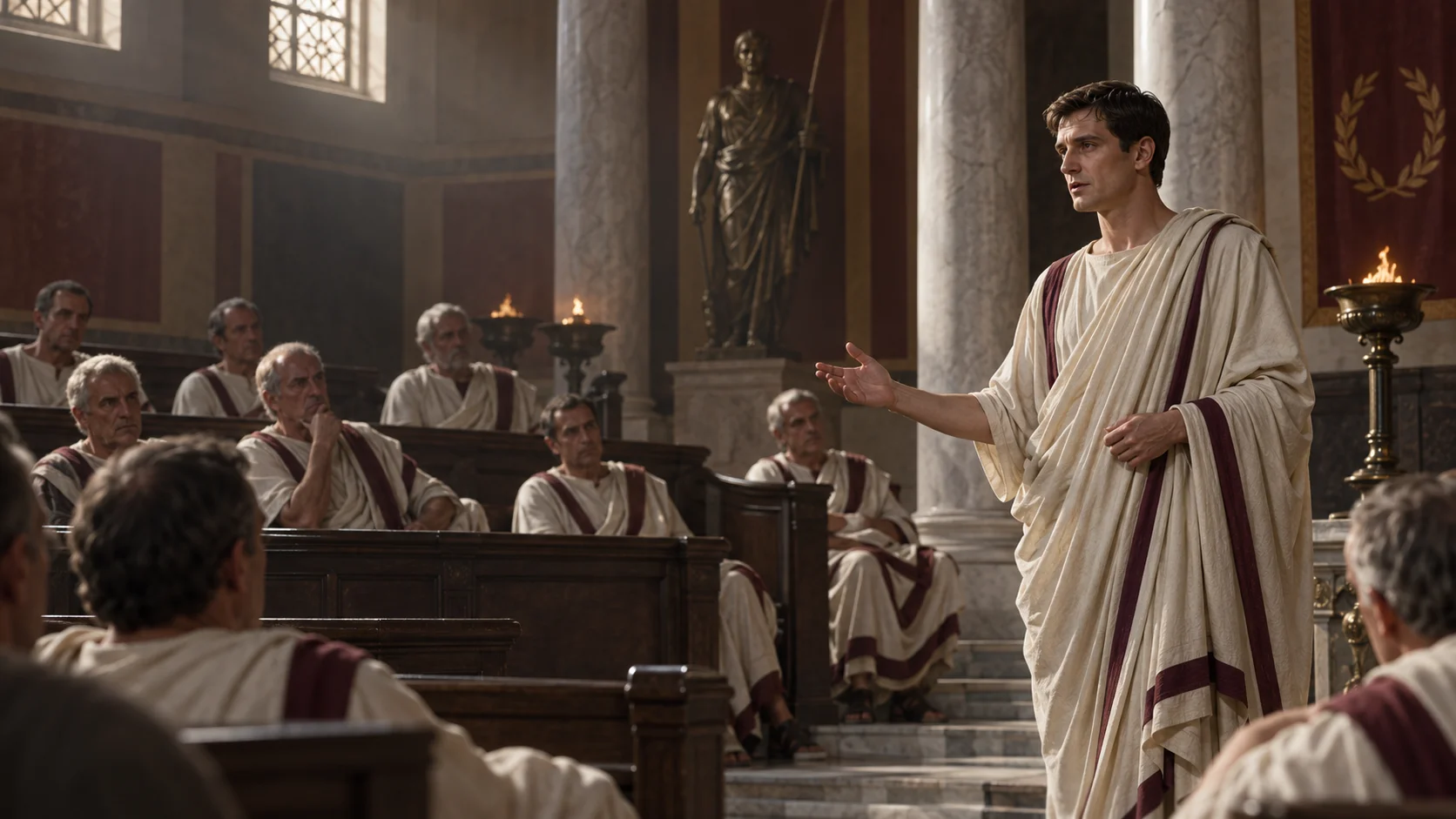
Augustus: Rome’s First Emperor
Octavian’s defeat of Antony and Cleopatra left him without a comparable rival, but military victory did not itself define a lasting political order. The settlement of 27 BC gave him the name Augustus and a central position within institutions that still called themselves republican. Rome’s first emperor emerged through the concentration and presentation of powers, not a coronation that suddenly abolished every older office.
Explore the history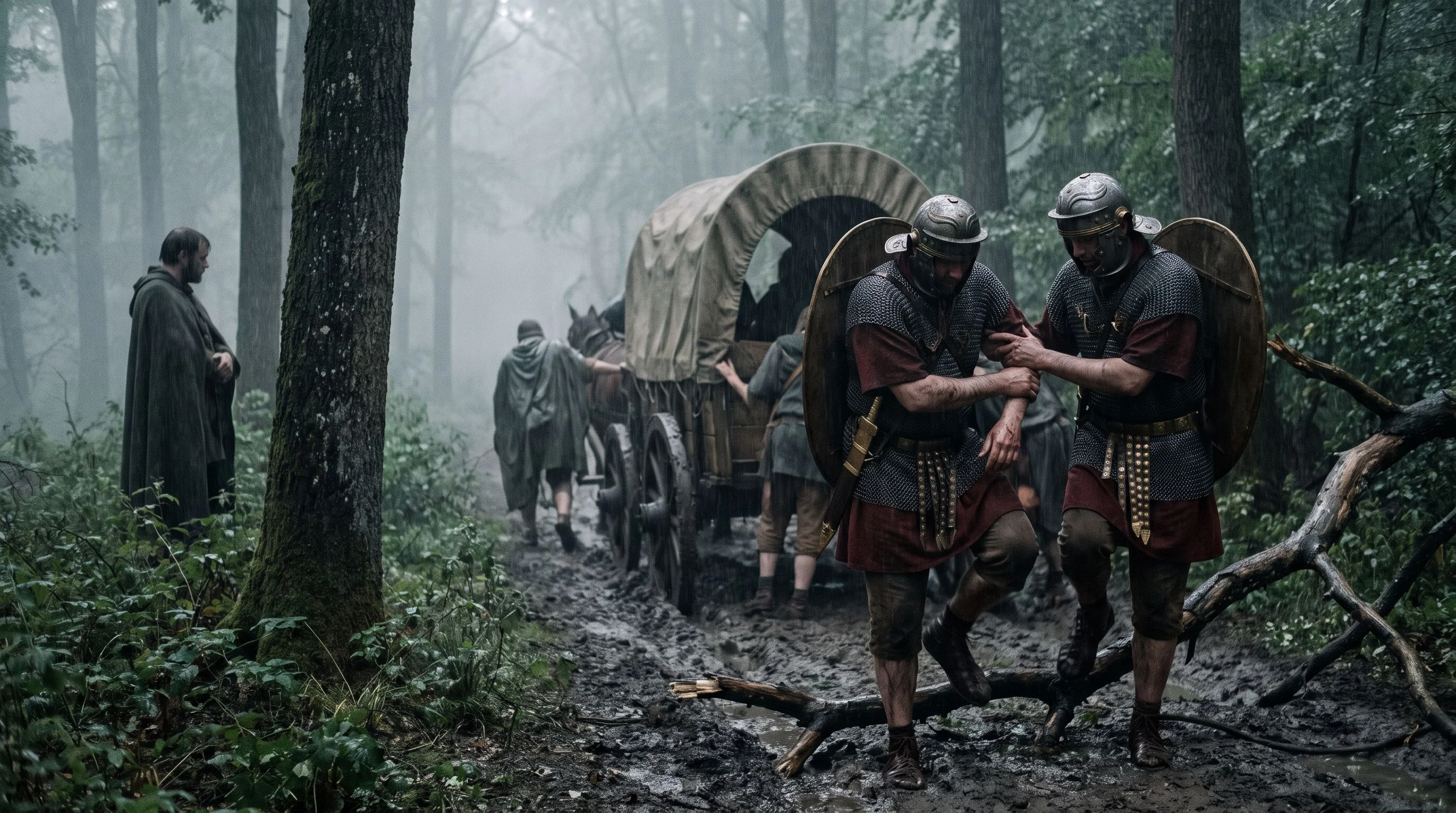
The Battle of the Teutoburg Forest
In AD 9, forces led by Arminius destroyed three Roman legions under Publius Quinctilius Varus in Germania. The disaster developed through a series of attacks on a vulnerable marching column. For Rome, it exposed the danger of governing through uncertain alliances. For modern historians, written accounts must be read alongside the battlefield finds recovered around Kalkriese.
Explore the history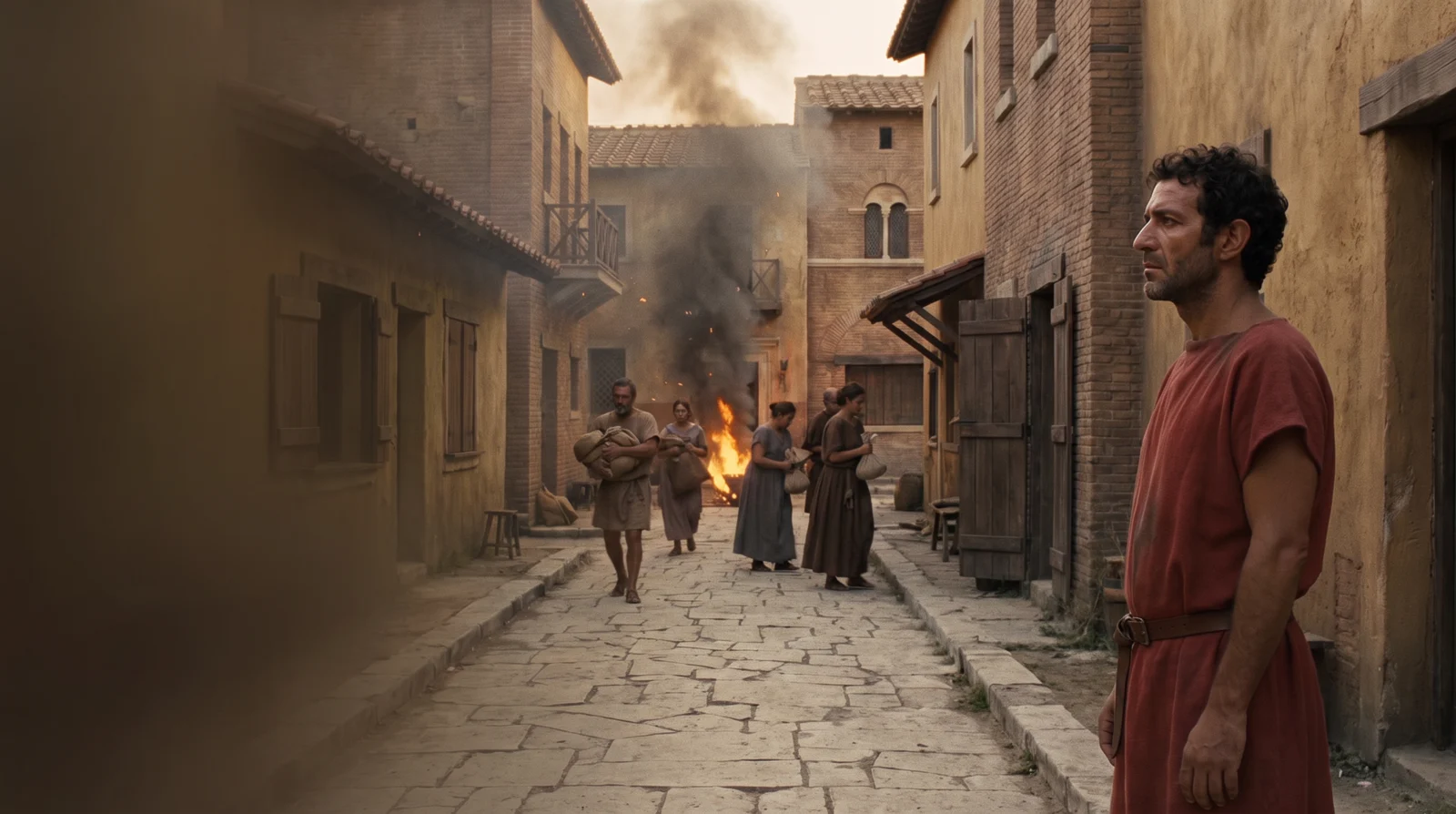
The Great Fire of Rome
The Great Fire devastated Rome in AD 64 during Nero’s reign. Tacitus describes flames spreading from shops near the Circus Maximus through a city of narrow streets and closely packed buildings. Residents tried to escape, help relatives and find shelter. The disaster became inseparable from arguments about Nero, but the surviving evidence does not securely identify who started it.
Explore the history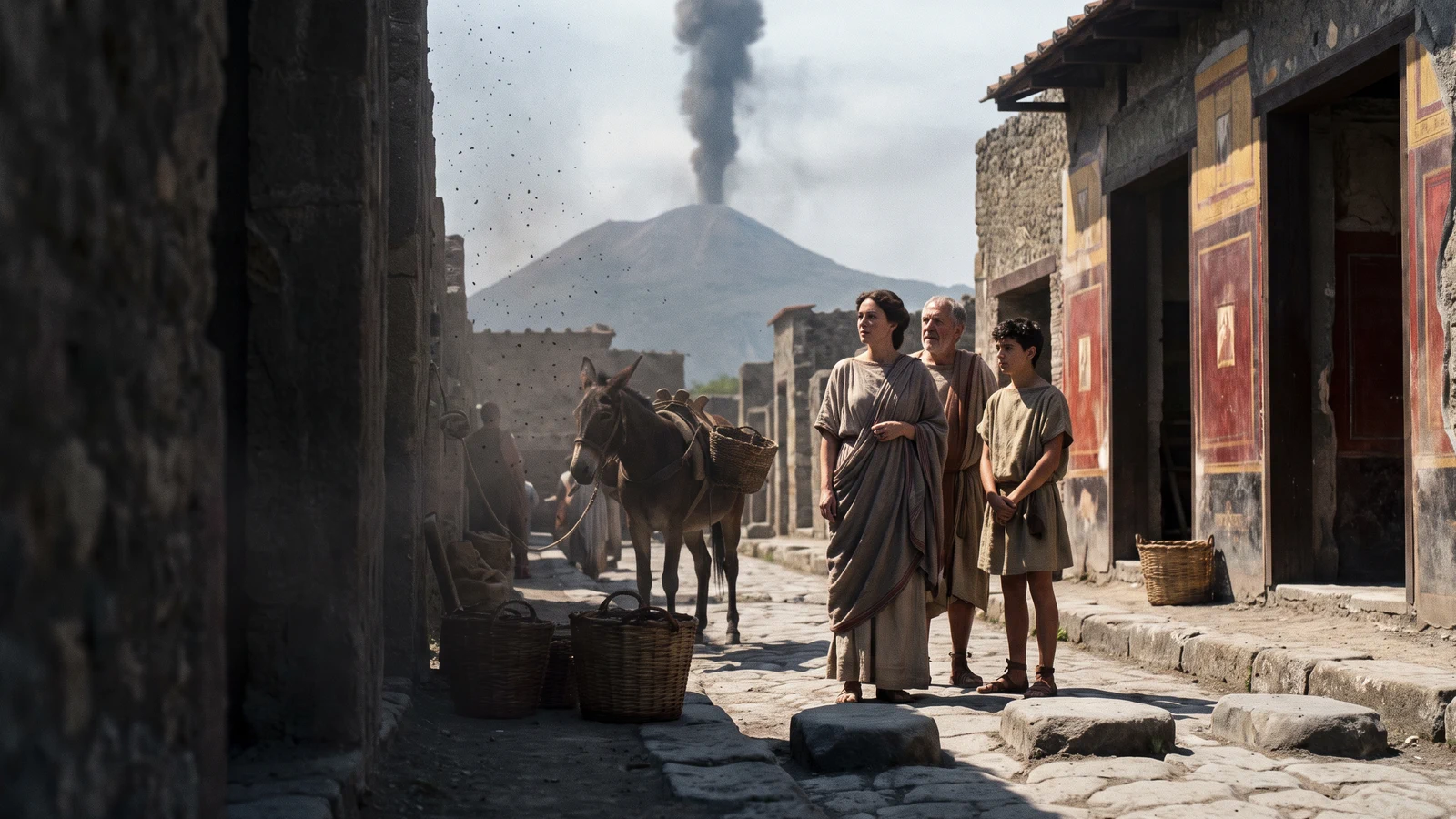
Pompeii: The Eruption of Vesuvius
In AD 79, Vesuvius erupted above the Bay of Naples, burying Pompeii and other communities beneath volcanic deposits. The disaster unfolded in stages, leaving residents to judge dangers they could not fully understand. Excavated streets, houses and human remains preserve extraordinary evidence, while research continues to revise details of the eruption, including its exact calendar date.
Explore the history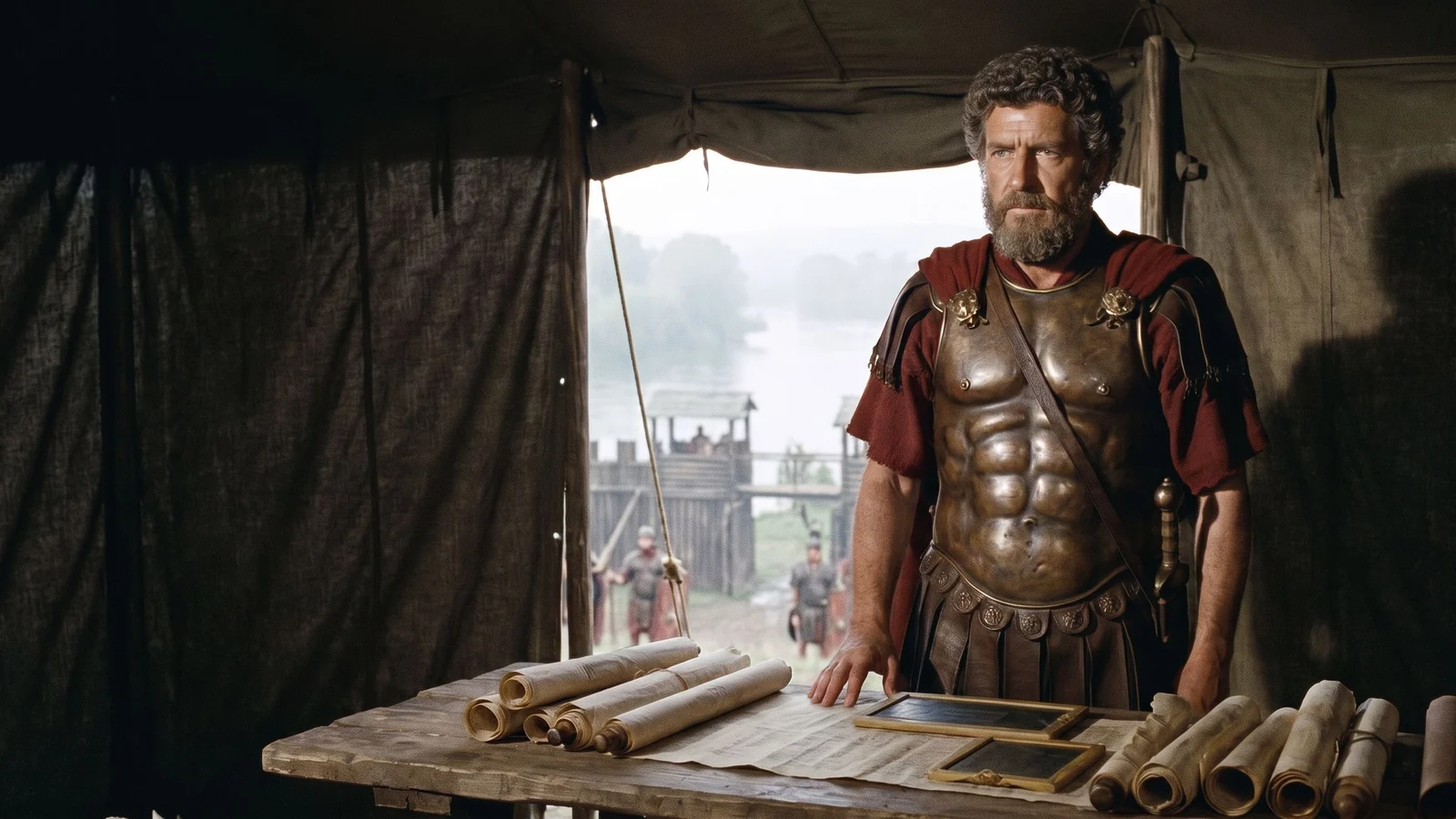
Marcus Aurelius: The Philosopher Emperor
Marcus Aurelius ruled from AD 161 to 180. In the early 170s, Carnuntum served as a base for his northern campaigns against peoples including the Marcomanni and Quadi. Warfare and the epidemic known as the Antonine plague strained his empire. His surviving philosophical reflections reveal another struggle: an emperor reminding himself how to act justly, control anger and face death.
Explore the history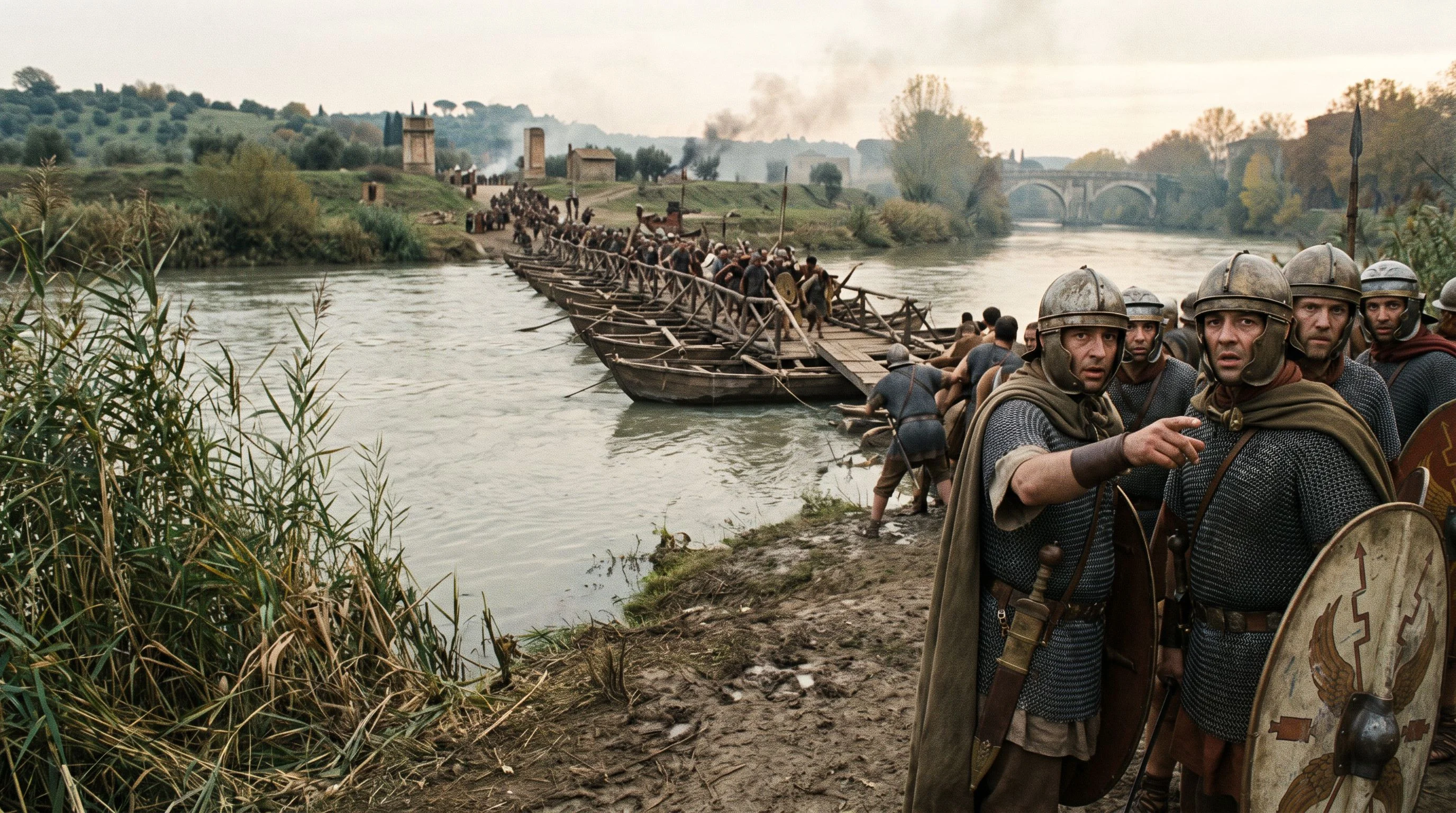
Constantine at the Milvian Bridge
In AD 312, Constantine defeated Maxentius near the Milvian Bridge on Rome’s northern approach. The battle was a Roman civil war, fought by rival imperial claimants. Maxentius died in the Tiber, and Constantine gained control of Rome. Christian writers later made the victory a defining moment in the relationship between the emperor, military success and divine support.
Explore the history
The Sack of Rome
In AD 410, Alaric’s Gothic army entered and plundered Rome after years of pressure and failed political bargaining. The western emperor Honorius remained at Ravenna. The attack shocked people far beyond Italy because of Rome’s symbolic importance, even though the city was no longer the normal seat of imperial government. The empire did not end on that day.
Explore the history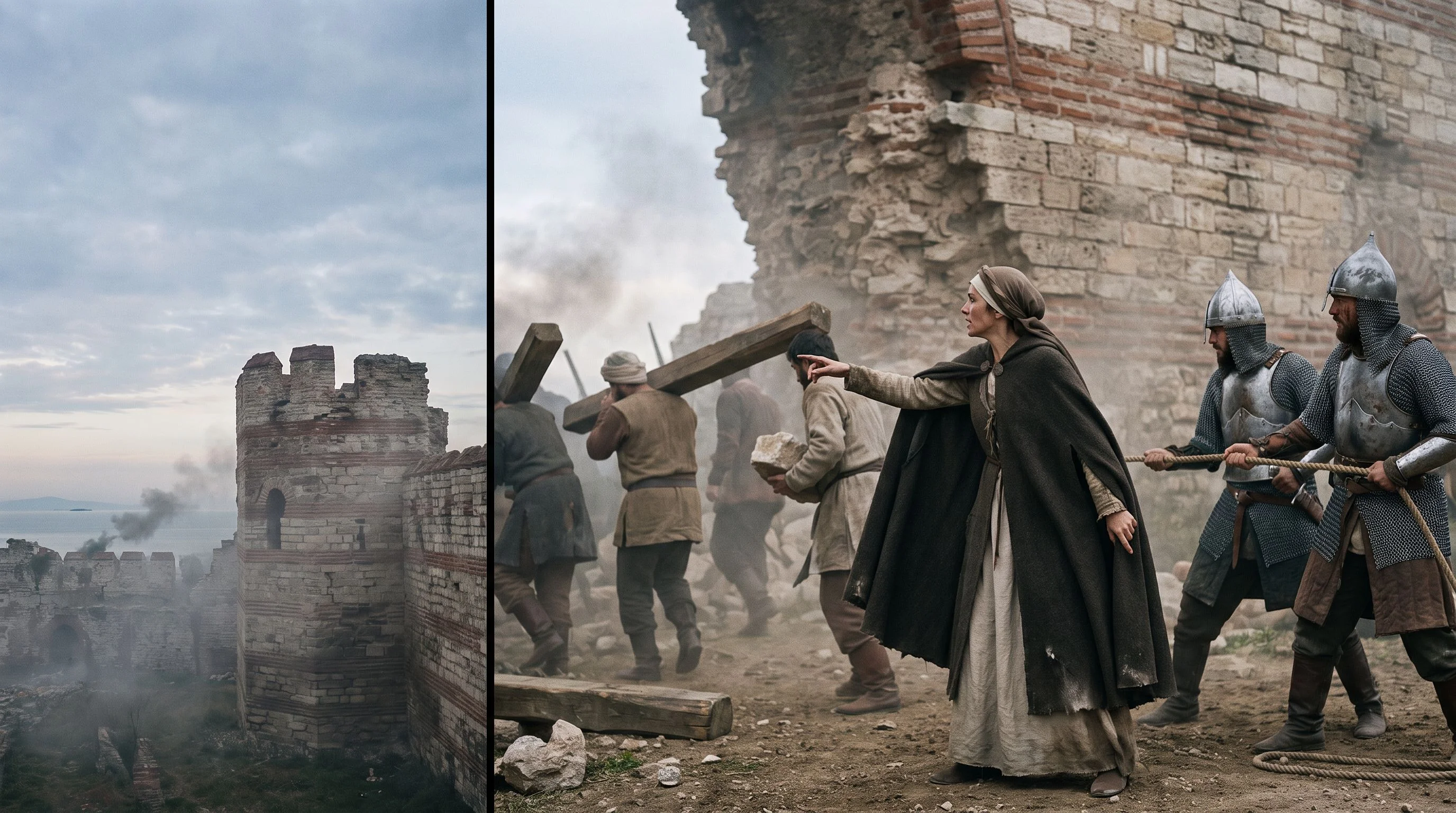
The Fall of Constantinople
On 29 May 1453, Ottoman forces under Mehmed II captured Constantinople after a prolonged siege. The city was the capital of the eastern Roman state often called the Byzantine Empire. Its defenders faced artillery, assaults and pressure from the sea. The conquest ended imperial rule in the capital and made the city a centre of Ottoman power.
Explore the history